HealthyW8 is combining digital tools, behavioural science and participatory design to promote healthier lives
Obesity is among the most pressing public health challenges facing Europe today. Beyond its impact on individual health and wellbeing, it places a substantial burden on healthcare systems, labour markets and public finances. While obesity is often associated with conditions such as diabetes, cardiovascular disease and hypertension, its wider impact on healthcare utilisation is frequently overlooked.
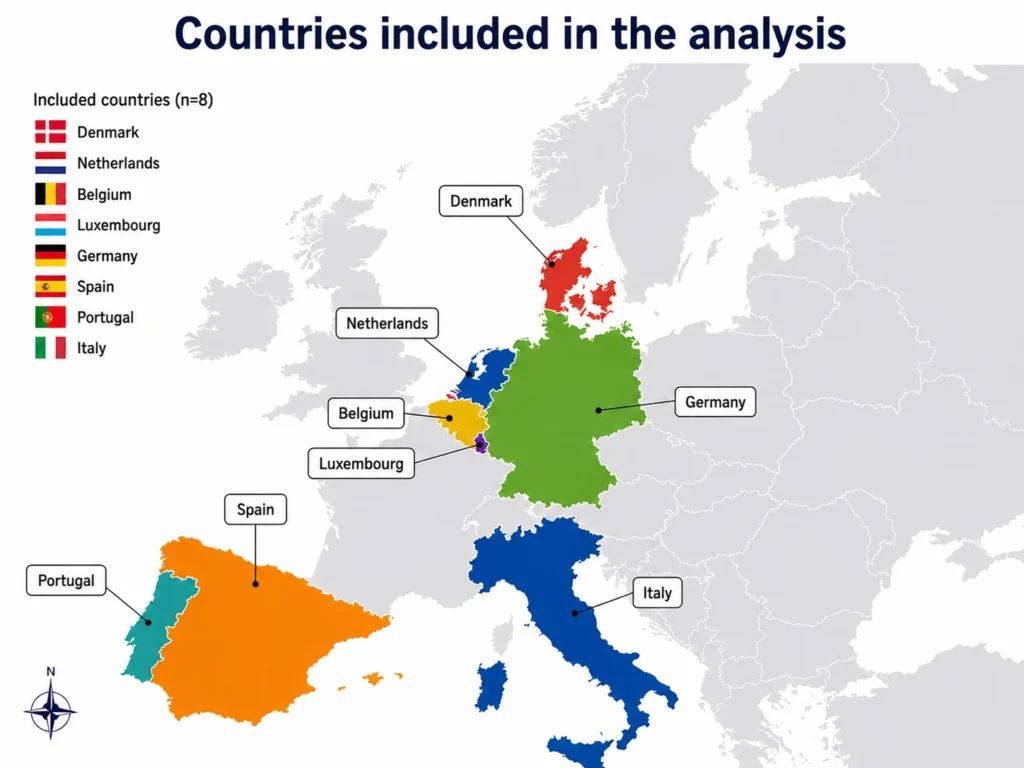
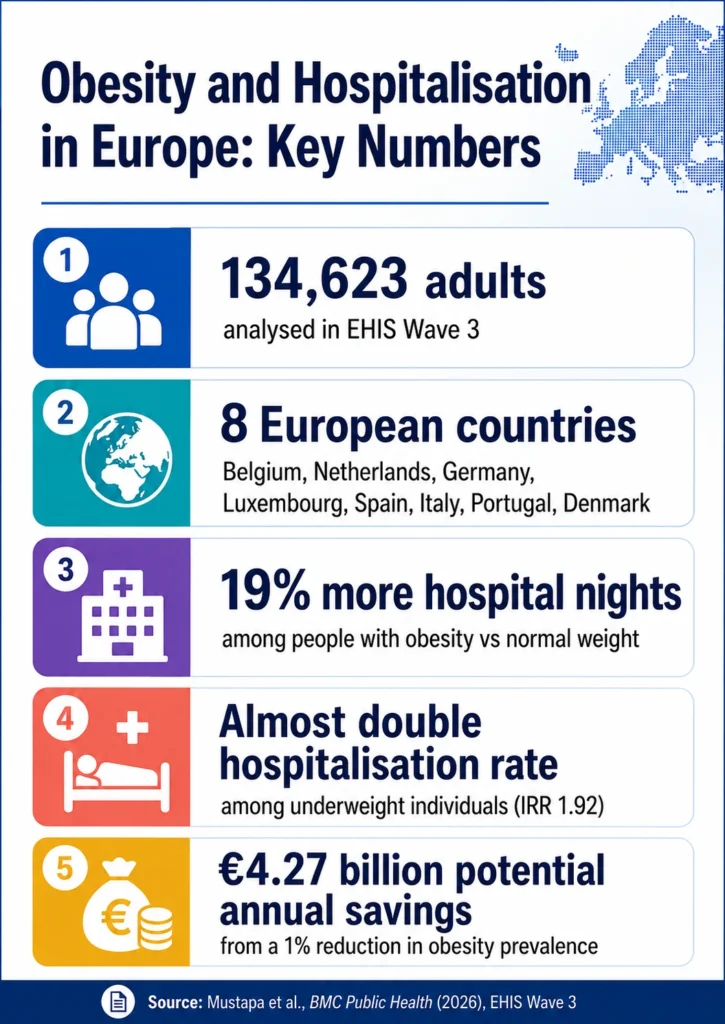
A recent study conducted within the Horizon Europe-funded HealthyW8 project provides new evidence of the scale of this challenge. Analysing data from more than 134,000 adults across eight European countries, researchers found that people living with obesity spend significantly more nights in hospital than individuals with normal weight. Based on data from Belgium, Denmark, Germany, Italy, Luxembourg, the Netherlands, Portugal and Spain, the study estimated that a 1% reduction in obesity prevalence could be associated with approximately €4.27 billion in annual hospital-related cost savings.
These findings reinforce an important message: obesity is not only a clinical and epidemiological issue, but also a challenge for healthcare systems, workforce productivity and public spending. They also highlight the need for more effective prevention strategies that can reach people before obesity-related complications emerge.
From measuring the burden to preventing it
The study examined data from the European Health Interview Survey (EHIS) Wave 3 and found that individuals living with obesity spent 19% more nights in hospital than those with normal weight, even after accounting for factors such as age, education, income, physical activity, hypertension, diabetes and depressive symptoms.
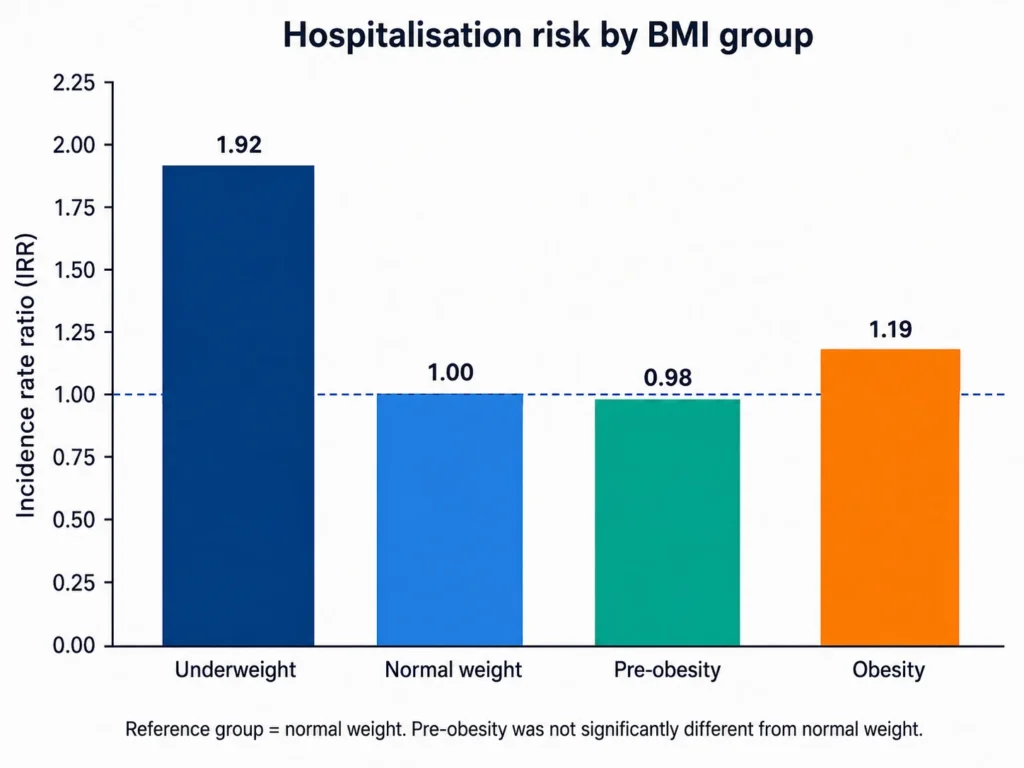
The findings also confirmed the complex nature of obesity. Hospital use was influenced not only by body weight, but also by behavioural, socioeconomic and health-related factors. Older age, hypertension, diabetes and depressive symptoms were associated with increased hospital use, while higher levels of education, income and physical activity were linked to lower use of healthcare services.
This growing understanding of obesity as a multifactorial condition has shaped the development of HealthyW8, a Horizon Europe project seeking to move beyond one-size-fits-all approaches and develop more personalised, user-centred and scalable prevention strategies.
A new generation of Obesity prevention
HealthyW8 is a €10 million Horizon Europe project running from 2023 to 2028. Bringing together universities, healthcare organisations, research institutes, digital health experts and other stakeholders from across Europe, the project aims to develop personalised obesity prevention strategies by integrating behavioural, biological and lifestyle information through innovative digital solutions.
HealthyW8 adopts a holistic approach that considers nutrition, physical activity, sedentary behaviour, sleep patterns, biological factors and psycho-emotional determinants of health. By addressing the multiple factors that influence obesity risk and behaviour change, the project aims to support more comprehensive and sustainable prevention strategies.
The project adopts a life-course perspective, with a particular focus on young adults and older adults, while also addressing obesity prevention across broader population groups. By combining behavioural science, biomarker research, digital technologies, implementation science, social sciences and humanities approaches, HealthyW8 seeks to develop solutions that can support citizens, healthcare professionals and health systems in promoting healthier lifestyles. A key objective is to translate scientific knowledge into practical and accessible tools capable of supporting long-term behaviour change and reducing obesity-related health risks.
Digital Innovation at the core
At the heart of the HealthyW8 ecosystem is the HealthyW8 Challenge app, developed on the GameBus platform. The solution combines gamification, nudging techniques, reminders and rewards to encourage sustained engagement in healthier lifestyle behaviours.
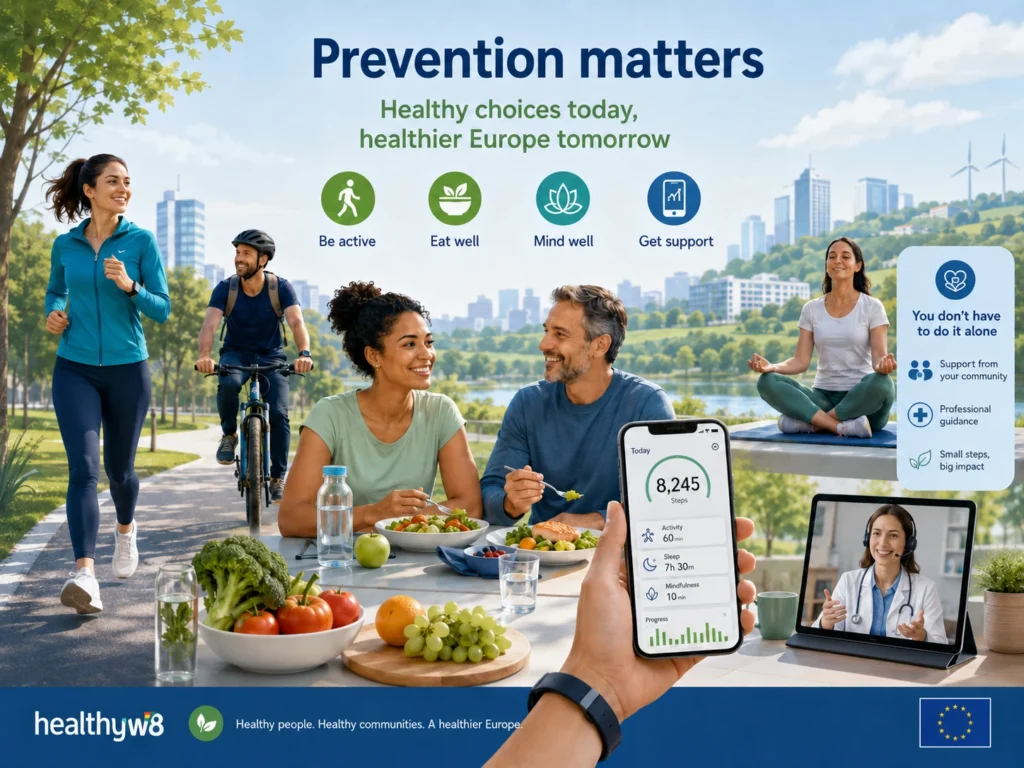
Unlike many existing lifestyle applications that primarily attract already motivated users, HealthyW8 specifically seeks to engage individuals who may be less likely to participate in prevention programmes and who are at greater risk of disengaging from digital interventions. This focus on sustained engagement and long-term behaviour change addresses one of the major challenges faced by current digital health solutions.
Through the HealthyW8 Challenge app, users can participate in educational activities, awareness-raising quizzes, lifestyle challenges and behaviour-change tasks organised into progressive levels and seasonal campaigns. Users are free to select activities according to their interests and earn points and rewards as they progress.
Additional digital tools support specific aspects of lifestyle change. The Nutrida application provides nutrition-related support through food logging, recipes and meal plans adapted to users’ preferences and dietary restrictions. Physical activity is supported through connected fitness-tracking devices, allowing activities such as walking and running to be automatically monitored and rewarded through the HealthyW8 Watch application. Together, these digital solutions aim to make healthier choices easier, more engaging and more sustainable over time.
Biomarkers, personalisation and precision
HealthyW8 also explores how biological, behavioural and environmental information can contribute to more personalised obesity prevention strategies. People respond differently to lifestyle interventions, and obesity does not affect all individuals in the same way. By investigating biomarkers alongside behavioural, psychosocial and contextual factors, researchers aim to better understand individual risk profiles and the mechanisms influencing health outcomes.
The project is also examining new biomarkers and environmental determinants that may help predict obesity risk and support more targeted interventions in the future. The integration of biomarker research with digital technologies represents a promising area of innovation, although further validation will be required before such approaches can be routinely implemented in prevention and healthcare practice.
Building solutions with users, not just for users
A distinctive feature of HealthyW8 is its emphasis on participatory design and user involvement. Rather than developing solutions solely from a research perspective, the project actively engages citizens, healthcare professionals and other stakeholders throughout the development process. The project combines co-design activities, pilot studies and long-term intervention trials to ensure that solutions are developed, tested and refined together with users and stakeholders. This iterative methodology helps bridge the gap between research, innovation and real-world implementation.
To date, more than 900 participants across eight European countries have contributed to these efforts. Their feedback has played an important role in refining the project’s digital tools, intervention strategies and implementation approaches. Across Europe, HealthyW8 is conducting intervention studies involving multiple population groups to evaluate the feasibility, usability, user engagement and potential effectiveness of its prevention approaches under real-world conditions. The project’s long-term trials are examining how digital tools, behavioural support mechanisms and lifestyle interventions can contribute to healthier habits and obesity prevention over time. These activities will provide valuable evidence to support future implementation and scaling-up efforts.
Innovation with societal and economic impact
The hospitalisation study highlights the scale of the obesity challenge facing Europe. If even modest reductions in obesity prevalence can generate substantial healthcare savings, the value of effective prevention becomes increasingly clear.
For healthcare systems, this could mean reduced demand for hospital services and lower healthcare expenditure. For citizens, personalised prevention approaches may support healthier lifestyles, improved wellbeing and reduced risk of chronic disease. For innovators, healthcare providers and policy makers, HealthyW8 offers an opportunity to explore new models of digital prevention, personalised care and population health management.
While the project is still ongoing, HealthyW8 demonstrates how research can move beyond understanding a problem towards developing practical solutions capable of generating real-world impact. By combining scientific evidence, digital innovation, behavioural science and personalised prevention, the project aims to contribute to a future in which healthier choices are easier to make, more sustainable to maintain and more effective in supporting healthier lifestyles and reducing the burden of obesity across Europe.
Project Information
Project: HealthyW8 – Personalised Prevention of Obesity Through Digital Innovation and Lifestyle Interventions
Programme: Horizon Europe Research and Innovation Programme
Grant Agreement: No. 101080645
Duration: 2023–2028
Funding: Approximately €10 million
Consortium: Multidisciplinary partnership of universities, healthcare organisations, research institutions, digital health experts and stakeholder organisations across Europe
References:
Mustapa, M.A.C., Larvoe, N., El Ghoch, M., Kallas, Z. Estimating the Hospitalisation Burden of Obesity in Europe: Evidence from the European Health Interview Survey (EHIS) Wave 3. BMC Public Health.
HealthyW8 Project Website – www.healthyw8.eu