A regulatory attempt to contain and, if possible, halt their spread
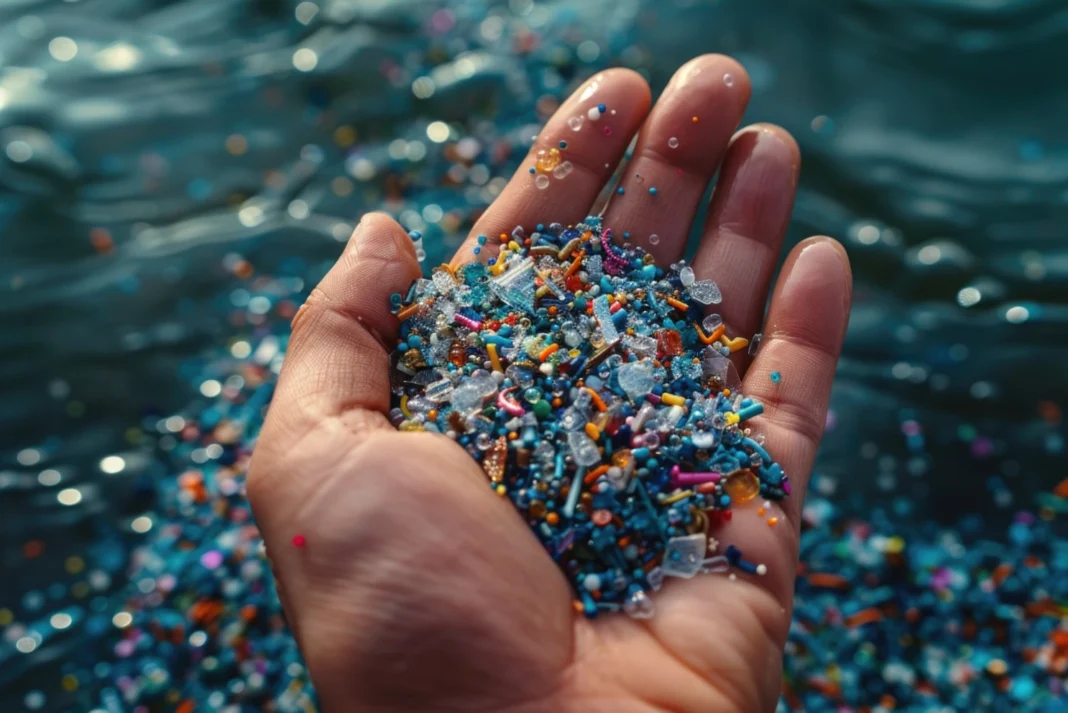
An increasing number of scientific studies show the extreme ubiquity of microplastics in both environment and living organisms. Their microscopic structure, as the name suggests, allows them to penetrate inside living beings, where they are sometimes retained without immediate harm. While at other times they are causing pollution and organic issues. Although the full extent of the effects of microplastics on human health is not yet known, their continuous and dispersive release into the environment is not without risks.
In fact, the European Union has established a landmark shift in the management of synthetic polymers. The REACH Legislation (Registration, Evaluation, Authorisation and Restriction of Chemicals) n. 1907/2006 was established to register, evaluate, authorize, and restrict the spread of chemical substances in Europe, aiming to achieve sustainable development and widespread control for human and environmental health. The entire legislation consists of 141 articles and 17 technical annexes.
On September 27, 2023, the Commission Legislation (EU) 2023/2055 was published in the Official Journal of the European Union, adding “Voce 78” to the REACH, regarding microplastics, defined as all synthetic polymer particles smaller than 5 millimeters. This entry imposes new restrictions on materials containing microplastics, within the market: it prohibits the sale of products with intentionally added microplastics used solely to improve performance, while establishing a monitoring system for these materials to control their movement and disposal. The main objective is to exclude nearly all microplastics from the European market by 2031. Microplastics used in materials with a technical function remain exempt. This represents a significant but necessary challenge to break the harmful cycle of these materials for humans and the environment.
Before: indiscriminate release and its consequences
Both of ECHA’s (European Chemicals Agency) scientific committees, the RAC (Risk Assessment Committee), and the SEAC’s Committee (Socio-Economic Analysis), have conducted scientific studies for years to investigate the dispersion of microplastics in the environment and in the organisms, including humans. The results are discouraging: microplastics are found almost everywhere, in drinking water and even in the human feces, demonstrating that they are now part of the food chain.
Scientific studies conducted on commercial fish species have revealed the presence of microplastics in dorsal muscles and in the brain, with evidence of oxidative damage to lipids, and an increase in the activity of cerebral acetylcholinesterase, a crucial enzyme for neurotransmission. Microplastics are also present in plants, including the vegetables we commonly consume. They are accumulated within leaf structures, inhibiting photosynthesis. Furthermore, the presence of plastic within the plant organism reduces its nutritional quality. The consumption of contaminated fruit and vegetables naturally leads to the ingestion of microplastics by humans.
But what are the implications of microplastics within the human body? Although the topic is critical and thus the subject of numerous systematic study protocols, definitive results on the consequences for human health are not yet available, even if the findings on other species, such as fishes, are disheartening. Microplastics in the human body are not inert: most are found in the blood, but traces have also been found in organs, including the brain and even the placenta, as demonstrated by the study by Weingrill and colleagues at the University of Hawaiʻi.
Results of the new Legislation
The most significant characteristic of a microplastic is its potential to disperse into the environment. Therefore, legislation is needed to limit or prevent this dispersion, starting from production to commercialization. Regulation (EU) 2023/2055 introduces a definition of synthetic polymer microparticles, based on strict physical and chemical criteria, with dispersibility being the primary factor. For restricted microplastics (SPMs), the ban in the market placement began on October 17, 2023, though a transitional period is provided so that industries can adapt to this new legislation without generating economic shocks.
The Legislation is designed to cover the widest possible range of plastic materials, while excluding unmodified natural polymers or substances that do not pose the same risks of persistence. The latter were excluded because they demonstrate accelerated biodegradability.
The majority of products affected by containing SPMs are in the makeup, cosmetics, and decoration sectors. “Microbeads” and the products containing them are classified as SPMs. These are microparticles used specifically for skin exfoliation and cleansing, predominantly found in cosmetics and detergents. They are also added to fragrances to improve spreadability. Replacing them with alternatives, that are equally high-performing but less environmentally impactful, will require a long and complex procedural path of testing by the companies involved.
Glitter sold in bulk is another product category that has quietly disappeared from the market. Another widespread use of these microplastics now affected by the Legislation involves those used as infill for sports pitches. Exempt from this Legislation are microplastics contained in solid matrices, such as glitter integrated into a decoration, and those for medical and/or industrial use, the disposal of which is already appropriately regulated and controlled. To be exempt, the material must pass a series of tests proving its solubility or biodegradability.
Controversies and challenges
The challenge for businesses in this sector is immense and entirely operational. They must systematically map every polymeric material present in their products and verify if it meets SPM criteria, requesting certificates of biodegradability and solubility from suppliers. Specific quality controls and the reformulation of Safety Data Sheets for the affected products are also required.
Due to the broad scope of this new REACH upload, some controversies have emerged regarding the definition of “polymer” itself and how the legislation risks affecting materials that are actually harmless. This perspective, presented by the involved businesses and industries, met a prompt response by EEB (European Environmental Bureau), which urged to not underestimate the problem of microplastic dispersion, and highlighted that the regulation’s directives were formulated to accommodate the needs of the businesses themselves.
For example, nanoplastics, polymeric particles that are smaller than one micrometer, are currently exempt from the Legislation. Microplastics, by definition, range from one micrometer to five millimeters. Due to their even smaller size, nanoplastics could potentially cause more problems than microplastics, given their greater potential for dispersion and the increased difficulty in containing them. Furthermore, according to the EEB, the period of 12 years allowed for companies to comply with the new directives is unjustifiably long, especially considering the global environmental urgency of plastic pollution.
Towards the Green Deal
The update of REACH with “Voce 78” is another step toward a sustainable future at the European level. It’s important to recognize that this is not just a rule with commercial consequences, but an incentive for individual corporate responsibility and ethics.
A lot of industries produce materials with added microplastics, and their use has been underestimated by consumers for too long. There is no more time to downplay the problem, given the ease with which plastics disperse and the real difficulty of repairing the damage.
The fact that the health effects are not yet fully known should suggest a precautionary approach toward the continued dispersion of plastics. We will see how the industry should be able to meet the environmental needs in the next future.
Fighting Microplastics: five European R&D Projects
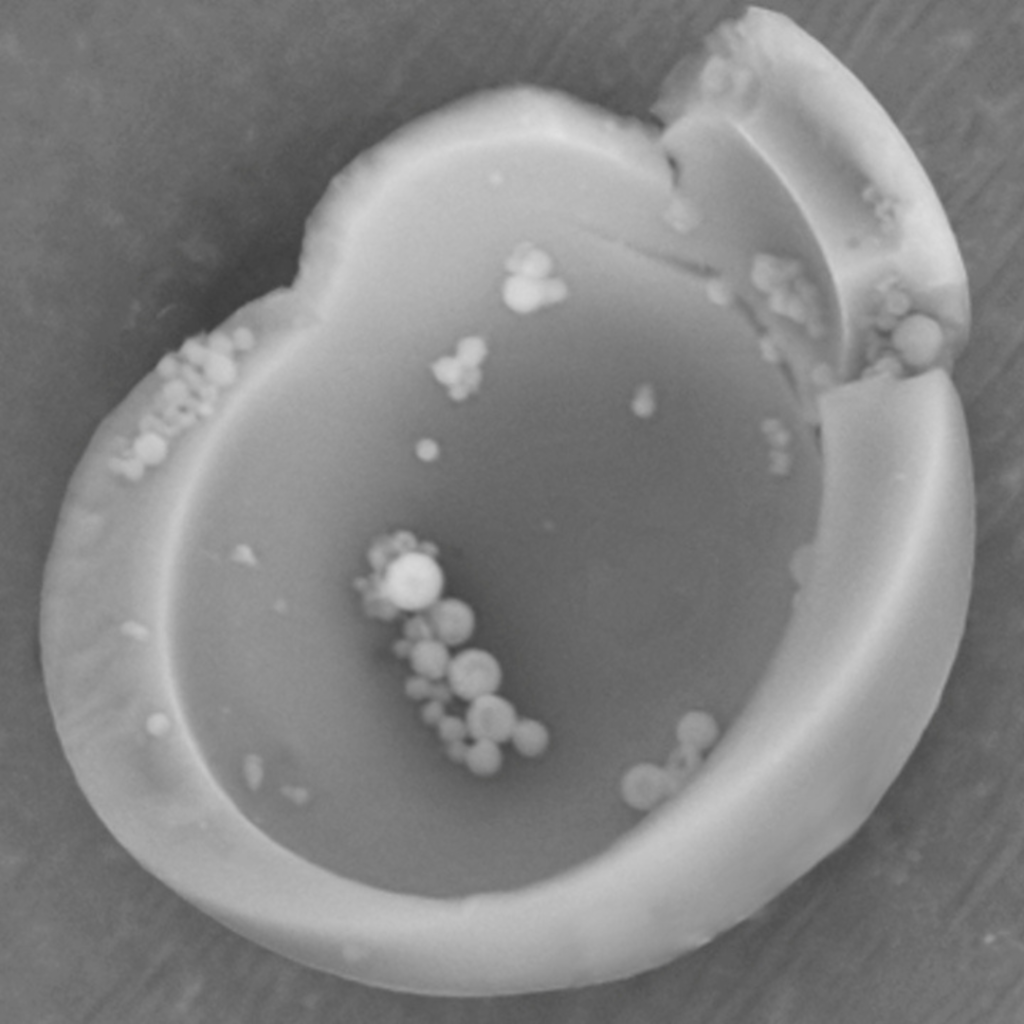
1. Calyxia – Biodegradable Microcapsules (France) French startup Calyxia develops eco-designed, biodegradable microcapsules as a direct replacement for conventional microplastic-based ones, used to functionalize ingredients in cosmetics, detergents, and agricultural inputs. Backed by the France 2030 programme and with cumulative financing of $70 million as of 2024, the company has launched its first industrial plant and established commercial partnerships for large-scale applications. A textbook case of a startup born in direct response to the REACH regulation.
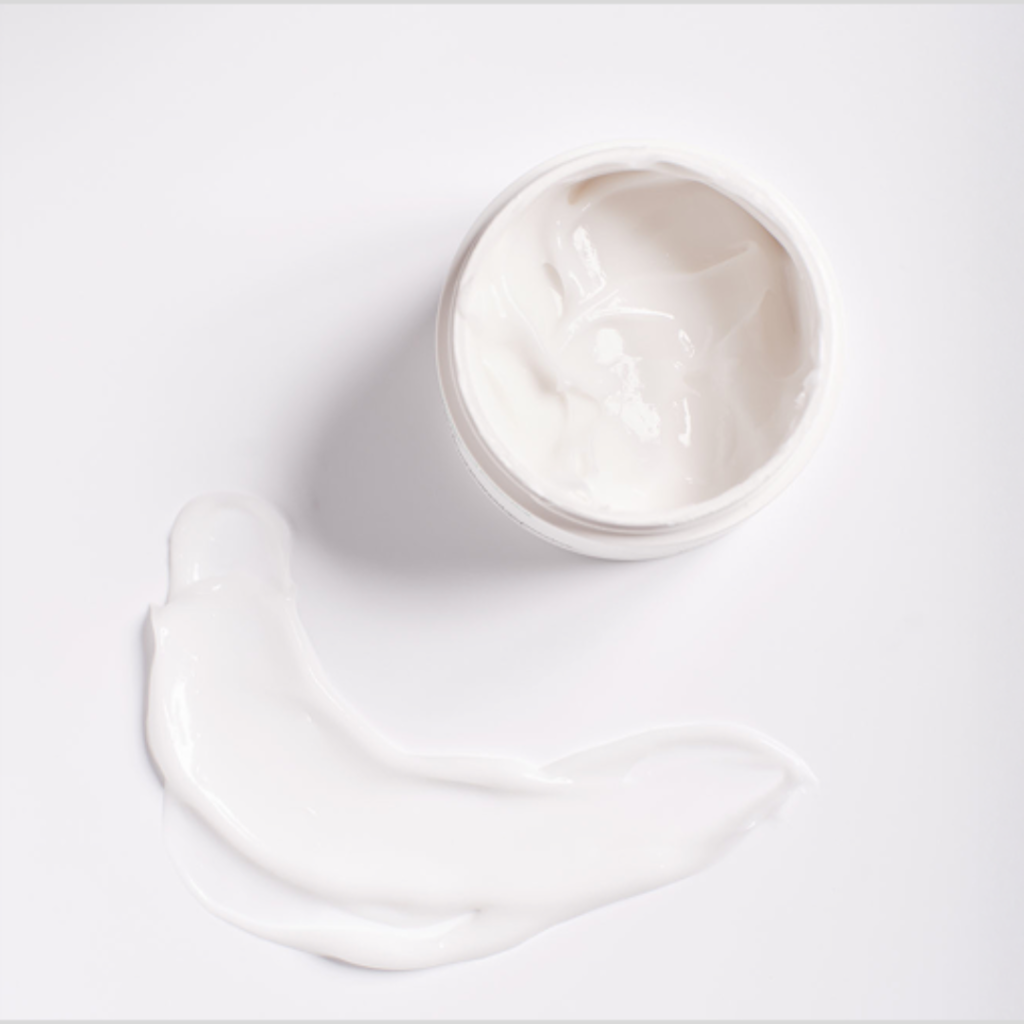
2. Cellugy / EcoFLEXY – Bio-based Rheology Modifier (Denmark) Danish biotech startup Cellugy has secured €8.1 million in EU funding (LIFE Programme) to scale up production of EcoFLEXY Rheo, the world’s first fully bio-based and biodegradable rheology modifier – that is, a substance that controls the texture, viscosity, and spreadability of a product, determining whether a cream feels fluid or dense, whether a gel holds its shape, and how evenly a lotion distributes on the skin designed to replace fossil-derived carbomers. EcoFLEXY is designed to replace fossil-derived carbomers, classified as microplastics in the cosmetics sector and among the most problematic substances under REACH. The BIOCARE4LIFE project aims to prevent the release of 259 tonnes of microplastics per year by project completion, scaling to 1,289 tonnes annually by 2034.
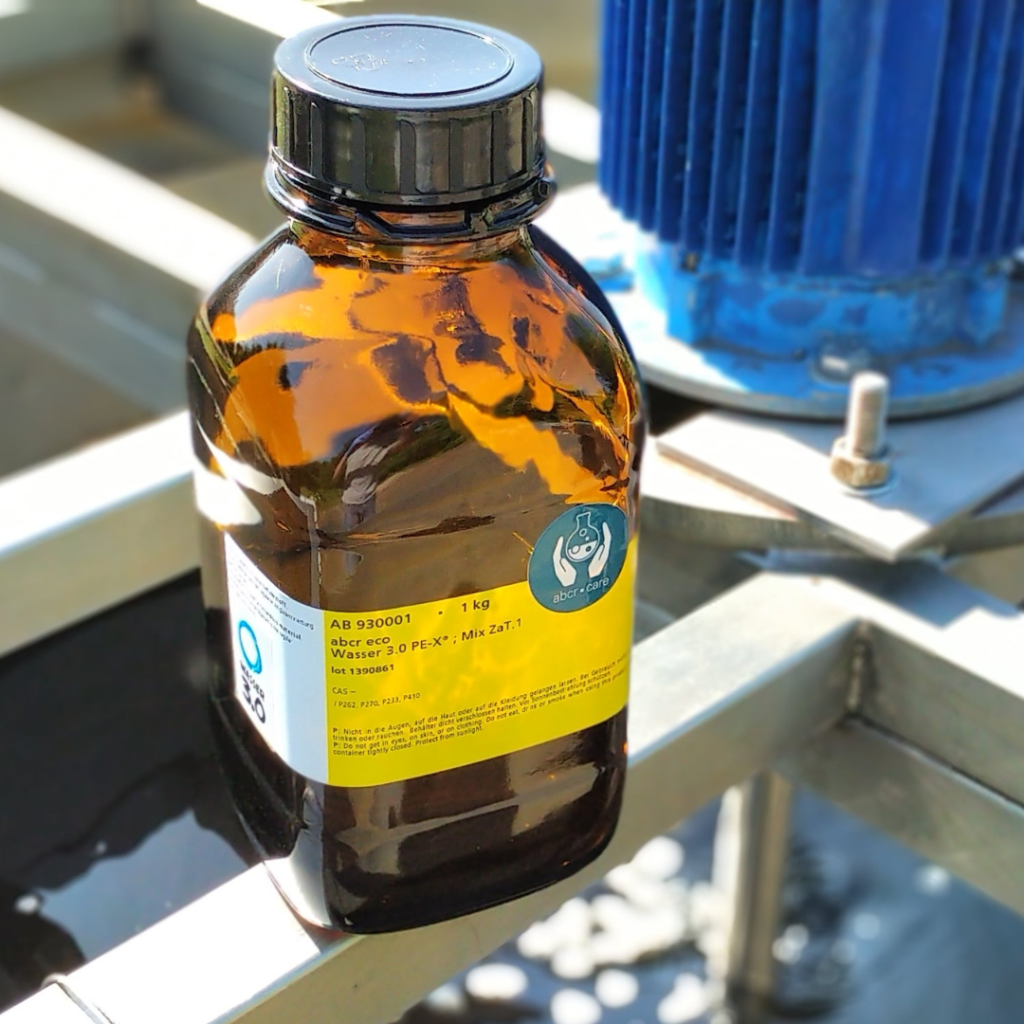
3. Wasser 3.0 / PE-X® – Microplastic Removal from Wastewater (Germany) German company Wasser 3.0 has developed a chemical-physical process that aggregates microplastic particles into clusters the size of a ping-pong ball in under five minutes, eliminating the need for conventional filters. Within the European REMEDIES project, the detection and removal technology is being transferred and tested across multiple European countries. The system is already operational at municipal wastewater treatment plants and across more than 15 industrial segments, in direct response to the monitoring obligations introduced by the EU Urban Wastewater Treatment Directive (2025).
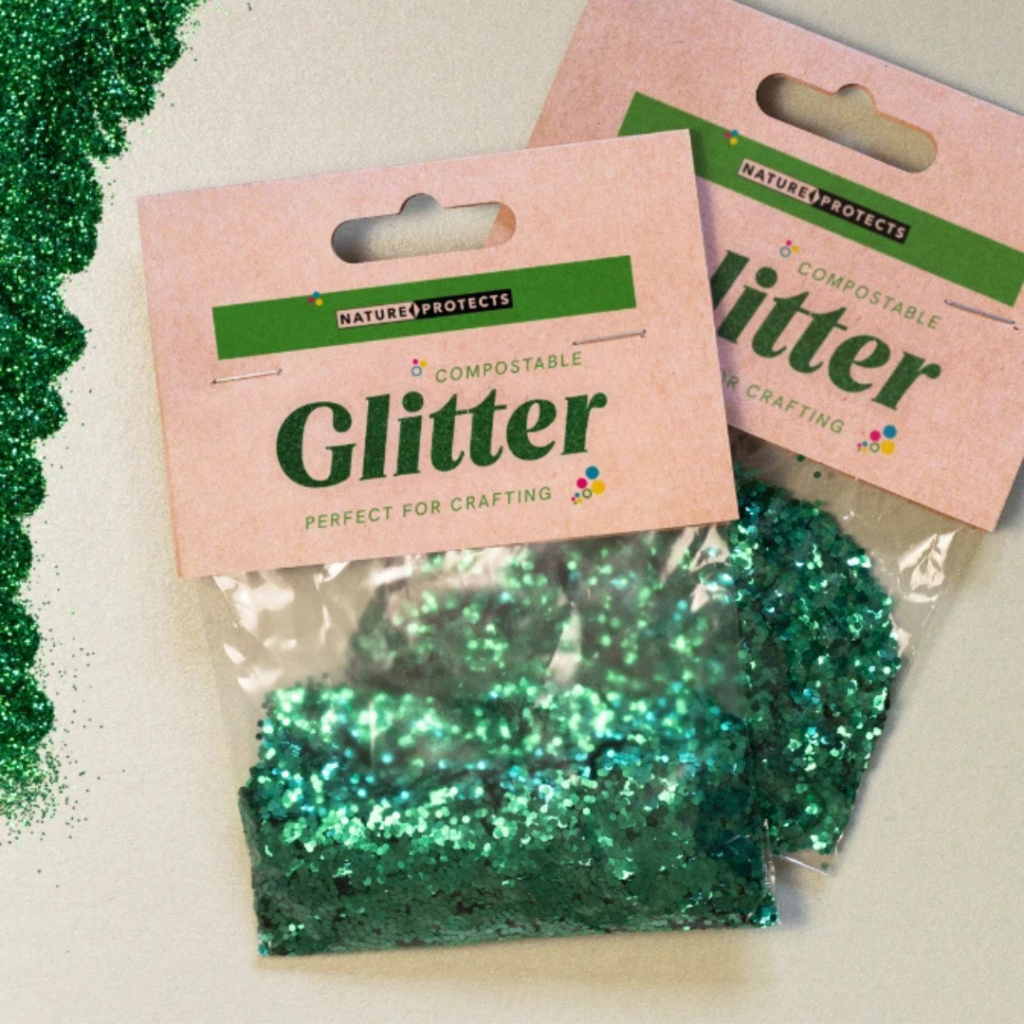
4. Futamura / NatureFlex™ – Compostable Glitter (Japan/Europe) Futamura has developed glitter based on NatureFlex™ cellulose films, with demonstrated biodegradability in wastewater, marine environments, and soil, fully compliant with the REACH Regulation that came into force in October 2023. The product is a ready-to-market industrial response to the EU ban on loose plastic glitter, targeting the arts and crafts, cosmetics, and decoration sectors.
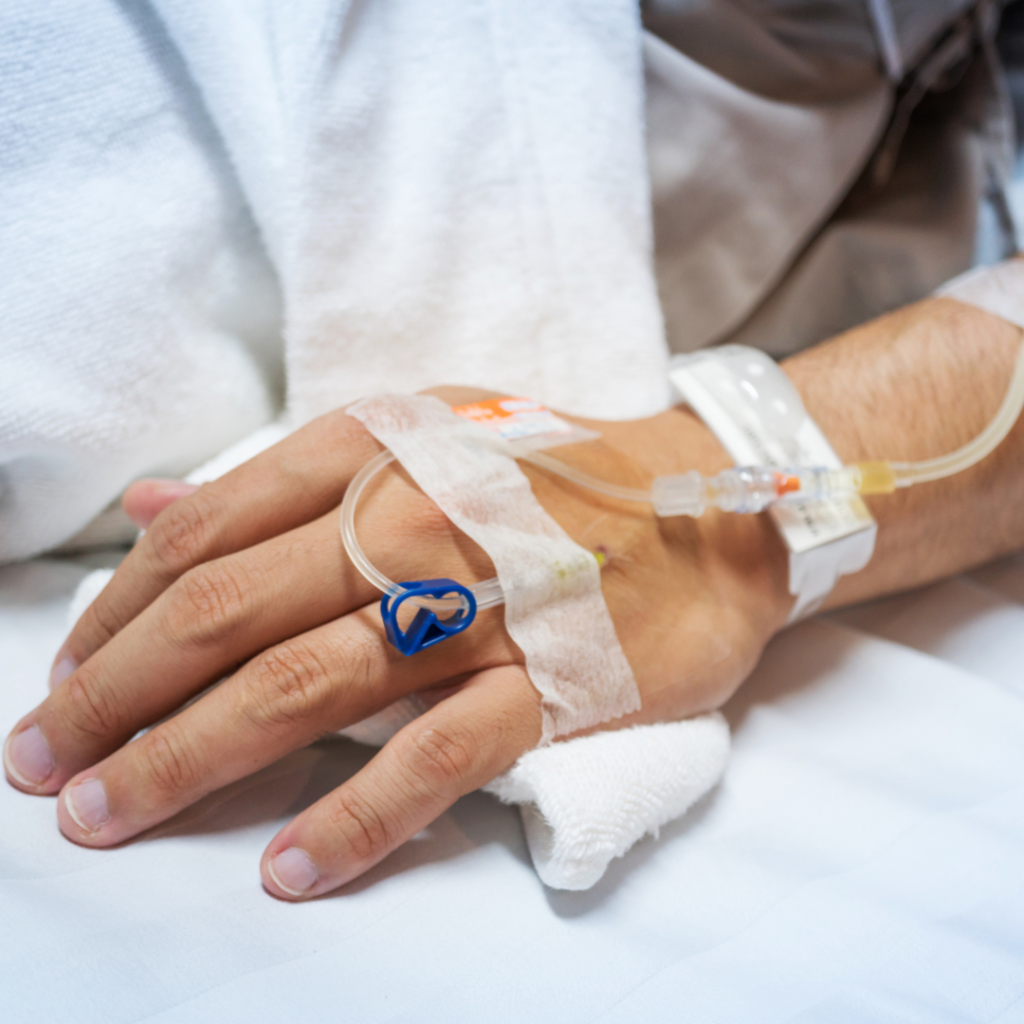
5. Microplastics in IV Infusions – (Italy/Spain, 2025) A European study published in July 2025 (Toxics, University of Pavia, in collaboration with Spanish institutions) analysed 29 intravenous infusion medical devices commercialised in Italy, Spain, and Ecuador, finding microplastic concentrations of between 166 and 299 particles per litre in plastic bags, with over 60% of particles below 100 µm and high clinical risk in bags exceeding 200 particles/L. The researchers identify the development of micron- and submicron-level in-line filtration systems as the priority solution — an R&D opportunity that remains largely unexplored, in a European IV solutions market currently valued at $812 million and projected to exceed $1 billion by 2030.