Advanced therapies, artificial intelligence, and technology transfer: the Milanese hospital accelerates biomedical innovation
Marco is two years old and lives with a diagnosis of Duchenne muscular dystrophy, and now he can hope for a better future. Elisa was the 314th patient to receive a pancreatic islet transplant for type 1 diabetes, regaining a daily life free from needles and hypoglycemia. Gioele, a young football coach, overcame an aggressive lymphoma thanks to CAR-T therapy. Three different stories, united by a common thread: the tireless work of doctors and researchers at IRCCS San Raffaele Hospital in Milan, a center of research and care where science is transformed into tangible opportunities for saving lives.
The translational model
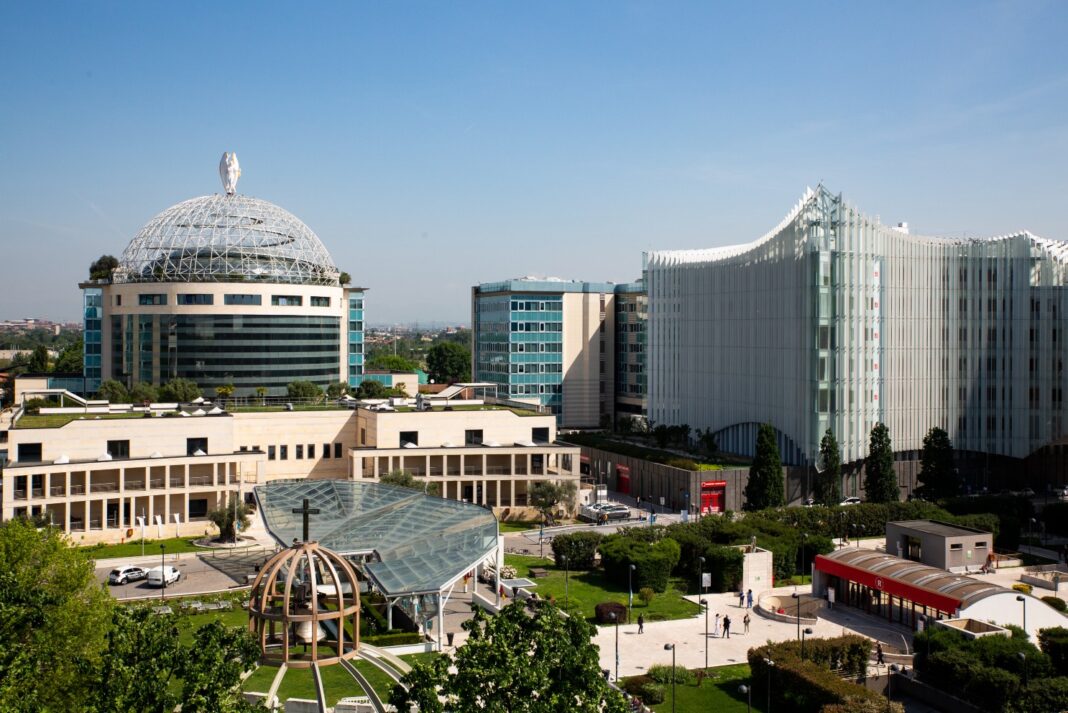
Founded in 1971 and recognized the following year as a Scientific Institute for Research, Hospitalization and Healthcare (IRCCS), San Raffaele is today an internationally renowned university hospital, teaching hub of Vita-Salute San Raffaele University, and part of the San Donato Group. At its core lies a translational model that integrates basic research, clinical research, and technological innovation. This “bench to bedside” approach accelerates the transition of discoveries from the laboratory to the patient’s bedside, fostering the development of personalized, advanced therapies.
Advanced therapies: a new frontier
In recent years, translational medicine has made extraordinary progress thanks to the development of advanced therapies—innovative treatments based on cells, genes, or tissues. Currently under investigation for more than twenty rare genetic diseases, leukemias, lymphomas, type 1 diabetes, degenerative neurological conditions, and certain cardiovascular diseases, these therapies represent a revolution. According to the American Society of Gene & Cell Therapy, over 3,000 clinical trials are ongoing worldwide, more than half in Phase I or II. Yet only a few thousand patients can currently access them, due to high costs and complex production requirements.
The cell factory: a workshop for the future
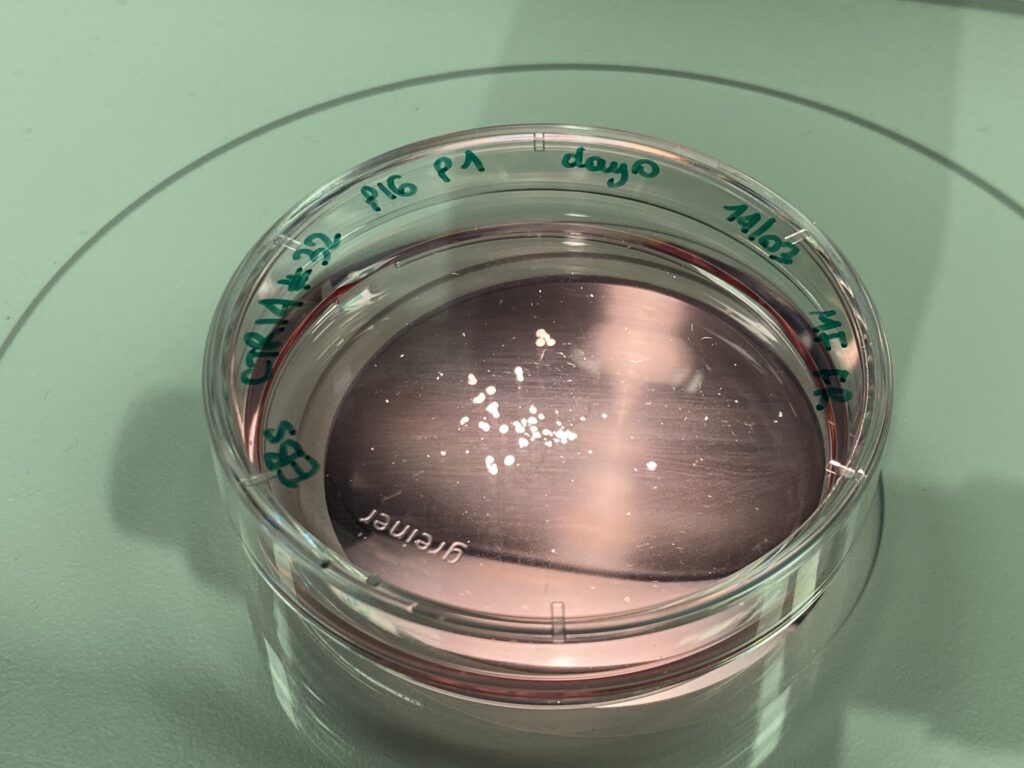
To overcome this barrier, San Raffaele has begun building an internal Cell Factory—a pharmaceutical facility dedicated to the production of Advanced Therapy Medicinal Products (ATMPs) compliant with GMP standards. Supported by 5xmille donations, San Raffaele will be able to autonomously produce cell and gene therapies, lowering costs and expanding patient access.
The process is highly complex. In many cases, these are autologous therapies, created from the patient’s own cells—collected, genetically modified or expanded in the laboratory, and then reinfused. In other cases, therapies are allogeneic, derived from healthy donor cells, which must be made safe and traceable. All production takes place in cleanrooms, ultra-controlled environments where biologists, bioengineers, physicians, and technicians operate under strict regulatory standards set by the EMA and AIFA.
Producing therapies “in-house” means not only cutting costs but also shortening the time between scientific discovery and clinical application, reinforcing the Institute’s translational vocation.
Research in numbers
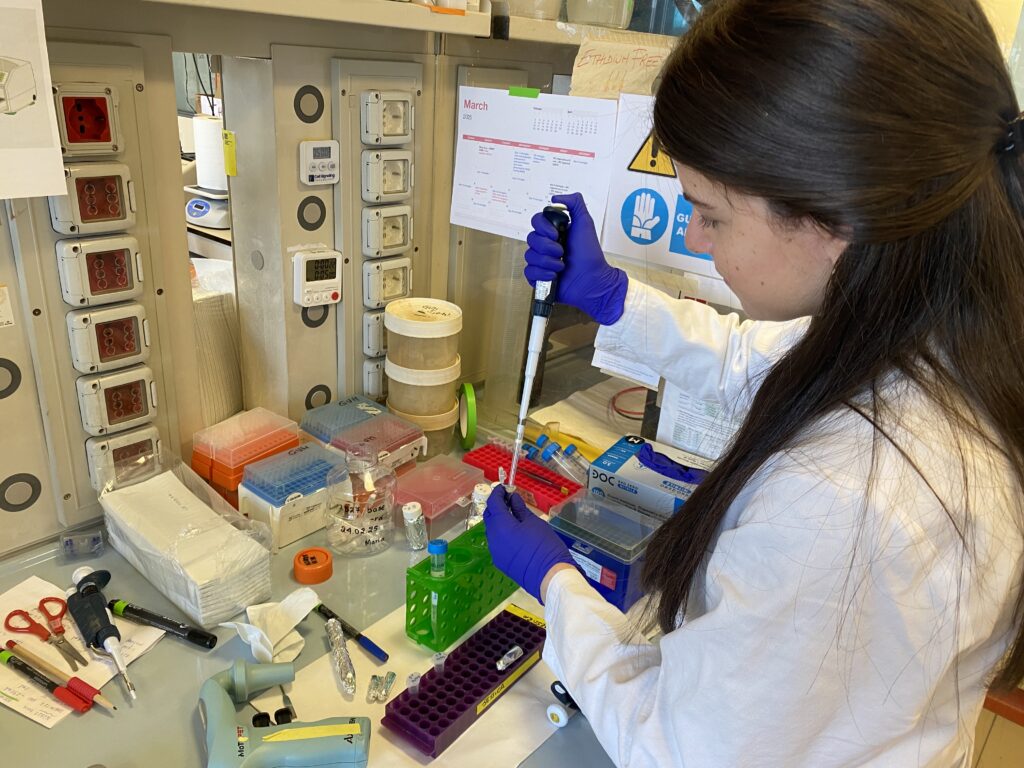
San Raffaele ranks first among Italian IRCCS hospitals for scientific output: in 2024, 2,709 studies were published, with a total impact factor of 17,863.1. Nearly 700 clinical trials are currently active, involving over 21,000 patients. Clinically, San Raffaele handles 50,858 annual hospital admissions, 17,800 surgical procedures, and 1.3 million outpatient services.
The hospital employs more than 6,000 staff members, operates over 80 laboratories, and offers 1,355 beds. These figures represent not only healthcare excellence, but also the ability to attract patients from around the world for complex and often untreatable conditions.
From the laboratory to the market
Alongside scientific research, San Raffaele has built an innovation ecosystem with 850 patents, 450 of which have already been developed through collaborations with Italian and International biotech and pharmaceutical companies. Moreover, 5 start-ups have emerged from the Institute’s laboratories: Genenta Science, now listed on Nasdaq; Genespire; Epsilen (acquired by Chroma Medicine, now part of Nchroma Bio); Repron Therapeutics; and Biorek. This business development model ensures a bridge between science and industry, accelerating the transformation of discoveries into concrete therapeutic solutions.
Artificial intelligence and personalized medicine
The future of research lies in data management. Through a strategic partnership with Microsoft, San Raffaele has developed a digital platform leveraging cloud computing, machine learning, and AI to collect and analyze vast amounts of clinical data.
The first applications focus on non-small cell lung cancer, where artificial intelligence supports the selection of patients eligible for immunotherapy, aiming to improve the current 45% success rate. Clinical trials are also underway for the treatment of renal carcinoma, diabetes, and cardiovascular diseases. This represents a decisive step toward value-based healthcare, a model designed to ensure targeted, equitable, and sustainable therapies.
Aging and Neurosciences: New Challenges
San Raffaele is also carrying out a strategic research project on aging, aimed at understanding the cellular mechanisms underlying the aging process and their connection to inflammation, neurodegeneration, and cancer. In the field of neuroscience, the new San Raffaele Neurotech Hub, in collaboration with the Nicolelis Institute for Advanced Brain Studies in Brazil, is the first European initiative entirely dedicated to neurotechnologies and neurorehabilitation protocols based on non-invasive brain-machine interfaces.
A Hospital with a Vision
From the world’s first pancreatic islet transplants in people with diabetes, to the first gene therapies approved in Europe for rare pediatric diseases, to pioneering brain stem cell transplants in patients with neurodegenerative disorders, San Raffaele has written fundamental chapters in modern medicine. Today, through the Cell Factory and pioneering research programs in artificial intelligence and aging, together with reinforced technology transfer efforts, it reaffirms its role as a research institute of the future.
Investing in science means believing in a future where diseases once deemed incurable can be defeated. It means building a world in which no one is left behind.