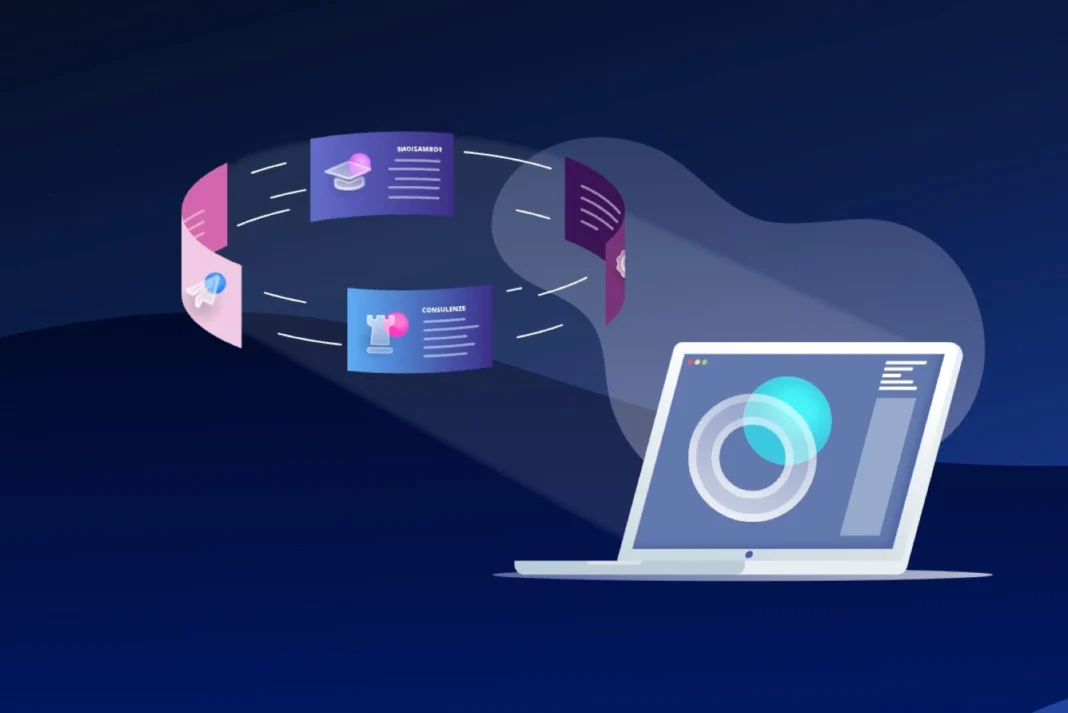
Strategic Consulting, tools, and training to guide businesses in measuring, managing, and optimizing corporate sustainability
Integrating sustainability into your business model is no longer just an option; instead, it serves as a core strategic lever for long-term competitiveness. Today, companies face growing challenges regarding waste management, carbon footprint reduction, and ESG reporting. To address these pressures, businesses must adopt a structured and measurable approach.
In this evolving landscape, the circular economy represents an advanced paradigm. It goes far beyond mere waste reduction by actively maximizing resource value across the entire supply chain. Consequently, this shift delivers real impacts on operational costs, efficiency, and market positioning.
Circularity: an integrated approach
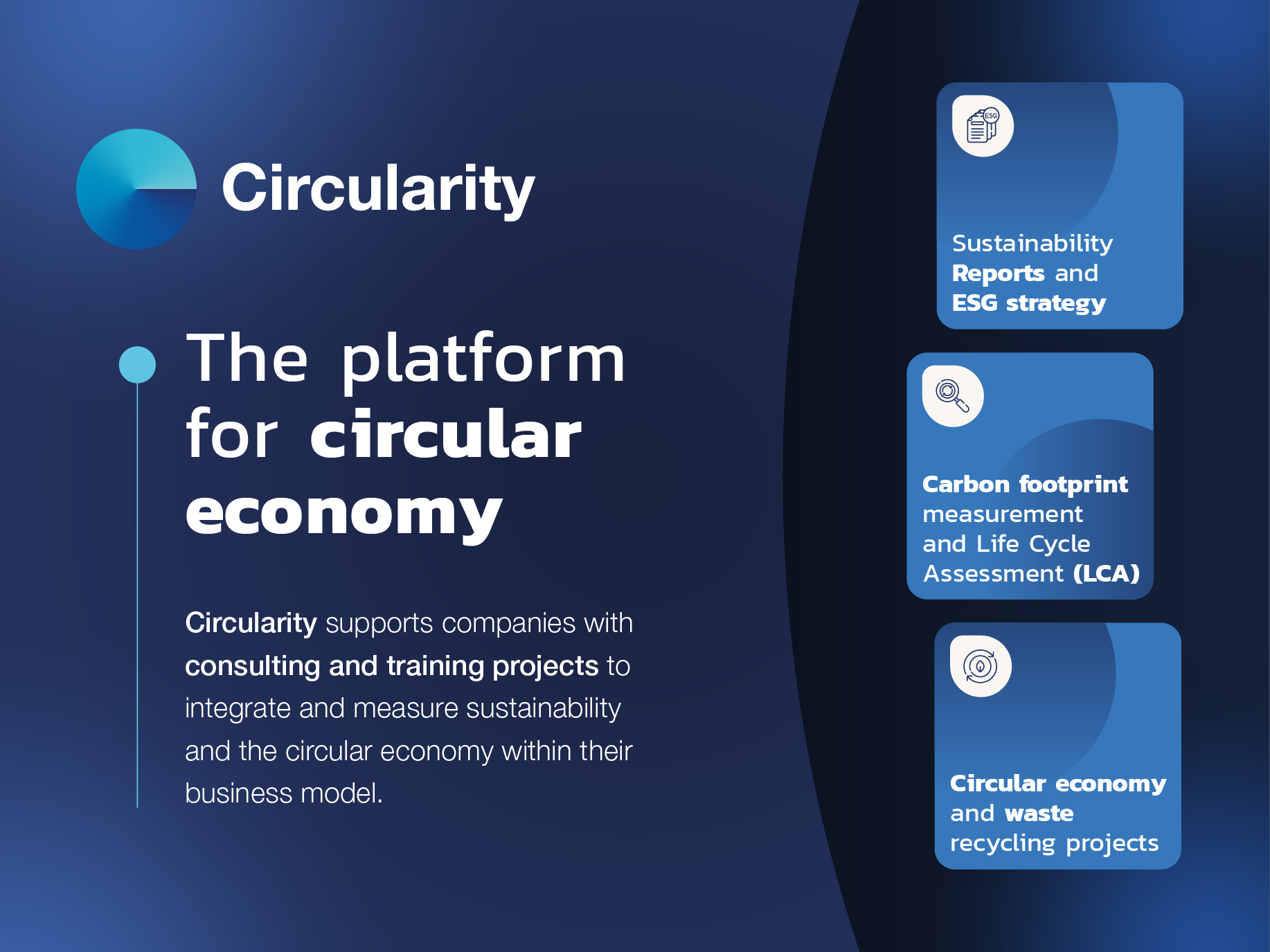
Circularity guides companies through every stage of their sustainable transformation. To achieve this, the company deploys an integrated model that combines strategic consulting, digital tools, and targeted training.
Core pillars of the transformation roadmap
| ESG Strategy & Reporting | Circular Economy Solutions | Environmental Impact & Risks |
| • Sustainable strategic planning • CSRD sustainability reporting • EU Taxonomy alignment • Gender equality certification support • Bespoke ESG communication plans | • Circular material management • Supply chain ESG assessments • By-product regulatory analysis • Material circularity measurement (Circularity Assessment) | • Life Cycle Assessment (LCA) • Carbon footprint & neutrality strategies • Climate risk assessments (TCFD guidelines) |
As a result, this comprehensive approach allows companies to transition seamlessly from defining abstract goals to executing real operational actions with measurable long-term results.

Circularity Platform: a digital ecosystem for supply chain symbiosis
To streamline this transition, Circularity provides a proprietary digital system: the Circularity Platform. Engineers specifically designed this tool to help businesses embed sustainability directly into their daily corporate processes.
This georeferenced platform connects all supply chain stakeholders—including producers, carriers, treatment facilities, and end-user companies. By doing so, it simplifies the management and recovery of industrial production waste.
Furthermore, the system characterizes raw materials to identify new opportunities for reuse and reintroduction into manufacturing cycles. This technology successfully enables concrete industrial symbiosis models, ensuring end-to-end supply chain traceability while measuring real environmental impacts.
Digitalization and ESG performance measurement
One of the platform’s standout features is its ability to digitalize and centralize sustainability monitoring. Specifically, companies can leverage the software to:
- First, track the end-of-life status of all production waste.
- Second, calculate precise material circularity scores.
- Third, report environmental impacts through a structured, auditable framework.
Ultimately, accurate measurement serves as the mandatory starting point for any successful corporate strategy, because teams can only optimize what they consistently monitor.
Comprehensive services for sustainable business growth
Beyond advanced technology, Circularity offers a complete ecosystem of corporate services. This comprehensive support empowers companies to meet key operational goals:
- First, reduce waste management and raw material costs.
- Second, optimize resource consumption across departments.
- Third, improve corporate transparency and regulatory compliance.
- Fourth, unlock entirely new commercial and business opportunities.
In short, Circularity supports enterprises by transforming regulatory compliance into a distinct market advantage.
The sustainability strategic plan: from vision to action
The development of a tailored sustainability strategic plan serves as a cornerstone of the process, helping companies build a clear roadmap toward ambitious ESG targets.
The implementation process includes four vital phases:
- Materiality and Stakeholder Analysis: Identifying what matters most to the business and its ecosystem.
- KPI and Objective Definition: Setting clear, quantifiable targets.
- Operational Implementation: Executing and monitoring daily green initiatives.
- Sustainability Reporting: Drafting transparent reports for investors and consumers.
Therefore, this systematic approach generates shared value while simultaneously boosting a company’s environmental impact, brand reputation, and financial performance.
A proven ecosystem for modern enterprises
With thousands of companies and material streams already under management, Circularity simplifies sustainability for businesses. In contrast to traditional fragmented consulting, this integrated model directly answers tightening market demands and European regulatory frameworks.
Today, the real challenge is not just declaring sustainability, but making it operational. To bridge this gap, Circularity combines proprietary digital tools like the Circularity Platform with dedicated expert services, turning green strategies into a profitable, competitive journey.