N-Power is a bold European response to nutrient pollution, deploying cross-sector strategies to restore balance to our lands
The environmental challenge of nutrient pollution
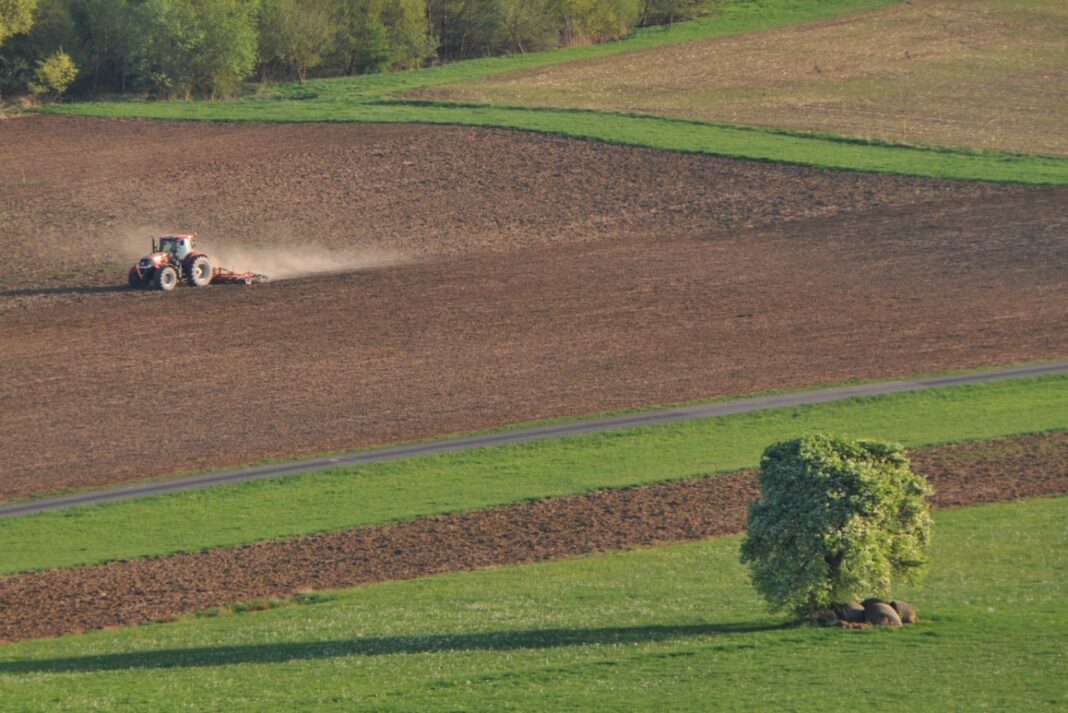
Nutrient pollution – particularly from nitrogen (N) and phosphorus (P) – has become one of the most pressing environmental challenges of our time. Originating from intensive agriculture, livestock farming, inadequate waste management and the fossil fuel combustion, these compounds accumulate in soils, water bodies and the atmosphere. This generates large-scale ecological, climatic and social impacts.
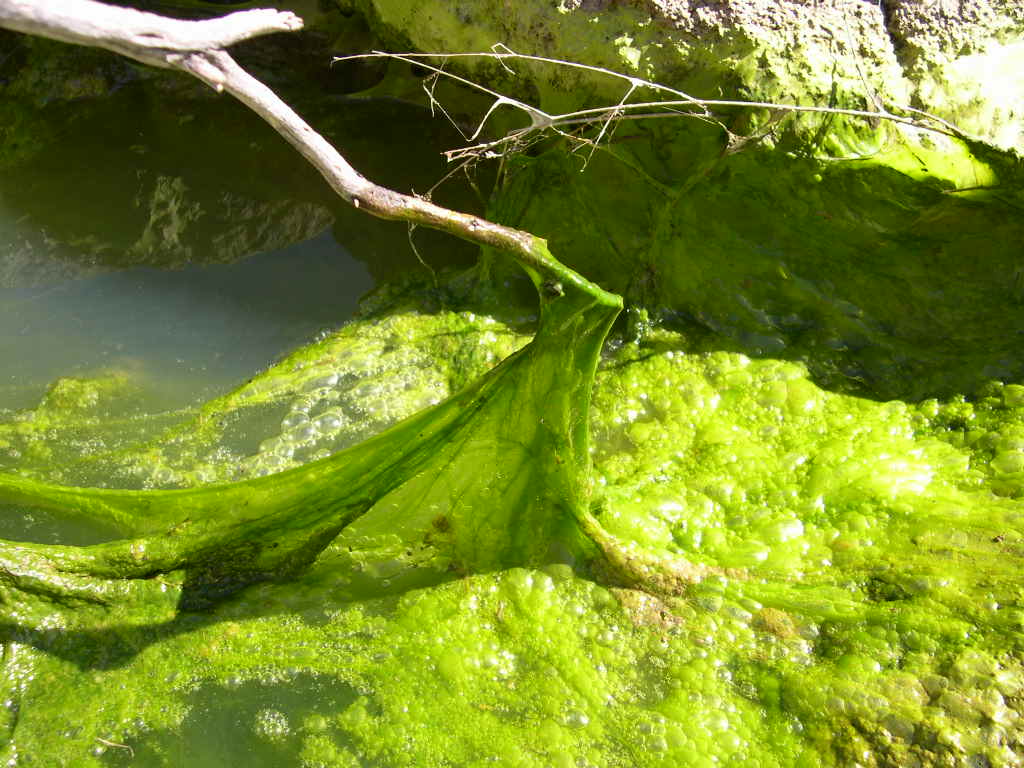
According to the FAO, more than 75% of the world’s agricultural soils show nutrient overload caused by the excessive use of both organic and inorganic fertilizers. As these nutrients reach water bodies, by flooding and run-off, the result is the eutrophication of rivers, lakes and seas – a process that depletes oxygen in aquatic environments and leads to biodiversity loss. Cases such as the Mar Menor in Spain illustrate the magnitude of the problem: waters turn murky, ecosystems collapse, and economic activities dependent on these environments – such as fisheries and tourism – experience severe decline.
At the atmospheric level, nitrogen oxides generated by transport, agricultural practices and industrial activities contribute to the depletion of the stratospheric ozone, the formation of tropospheric ozone and the aggravation of climate change and global warming. The European Environment Agency estimates that prolonged exposure to these pollutants causes thousands of premature deaths every year, in addition to generating significant economic costs for public health systems.
The European Union has deployed various strategies to address this challenge, such as the Nitrates Directive (91/676/EEC), the Zero Pollution Action Plan, the Fertilising Products Regulation (2019/1009) and the Farm to Fork Strategy. However, the complexity of nutrient pollution—spanning multiple sectors and governance levels—requires more integrated and collaborative approaches.
The NPower project: a European response
Against this backdrop, NPower emerges as a coordinated European effort to tackle nutrient pollution. Funded under the Horizon Europe programme (Grant Agreement No. 101181873) and led by the Technological Centre for Energy and the Environment (CETENMA), the project runs from January 2025 to December 2028 with a total budget of €9.9 million. It brings together 25 entities from six European countries, including research centres, public authorities, industry partners and civil society organisations.
NPower’s mission is to reduce nitrogen and phosphorus emissions across the main emitting sectors—agriculture, water and waste management, transport, energy and industry—and to rebalance nutrient flows at the regional scale. To achieve this, the project integrates technological innovation, participatory governance, and environmental, social and economic assessment methodologies, ensuring that solutions are both scientifically sound and socially viable.
A multidisciplinary consortium
NPower’s strength relies on the diversity and complementarity of its partners. The project brings together a consortium of 25 organisations from six European countries, covering the entire value chain involved in nutrient management. Coordinated by CETENMA (ES), the consortium includes leading actors from the water and agri-food sectors such as CETAQUA (ES), HIDROGEA (ES), JISAP (ES), PROBELTE (ES), FECOAM (ES), BOEREN BOND (BE), Irish Bioeconomy Foundation (IE) y MTK (FI). These are joined by nutrient recovery and technology companies such as DAB (ES) and LAMBERT (ES), as well as circular economy specialists like STRANE INNOVATION (FR).
The consortium also benefits from a solid scientific foundation, including research centres and universities such as the Spanish National Research Council – CSIC (ES), IMIDA (ES), Universidad Politécnica de Cartagena (ES), LUKE (FI), Ghent University (BE), MTU (IE), University College Dublin (IE). These partners contribute with their cutting-edge expertise in environmental technologies, modelling, circular economy and bioeconomy.
The political and administrative dimension of NPower is ensured by the participation of FMRM y Comunidad Autónoma de la Región de Murcia (CARM) (ES), the Government of Flanders through Water Europe (BE), UCD-Policy (IE) and LUKE-Bioeconomy (FI). Their involvement will be key to developing innovative governance tools for nutrient management and ensuring that proposed solutions are viable and adaptable to diverse territorial contexts.
Finally, the project’s communication, knowledge transfer, long-term sustainability and social impact assessment are supported by specialised entities such as RURAL LOOP (ES), STRANE Innovation (FR), ZHAW (CH), and Kveloce (ES). Kveloce plays a central role in the Social Sciences and Humanities dimension, leading the environmental, social and economic impact assessment of NPower’s solutions, coordinating the ethical approach and guiding public engagement activities. Kveloce also contributes to the design of participatory methodologies, ensuring that the perspectives of stakeholders are meaningfully integrated into technical decision-making processes.
Methodology and areas of work
NPower is structured around four complementary areas of action, designed to create synergies between scientific research, technological development and territorial governance.
- Stakeholder engagement. The project will establish Multi-Actor Transition Groups (MATs) within the main nutrient-emitting sectors, bringing together representatives from academia, industry and public administration. These groups will operate across four Regional Clusters (RCs) representing different parts of Europe: the Region of Murcia (South), Flanders (Central), Finland (North) and Ireland (West-Insular).
- Development of regional N/P models. Working in collaboration with the MATs, NPower will develop a dynamic regional nitrogen and phosphorus budgeting model, capable of quantifying inputs, outputs and nutrient flows across sectors. This methodology will make it possible to identify critical points and design strategies to circularise nutrient flows, transforming waste streams into valuable resources.
- Demonstration of technologies and sustainable practices. In the Region of Murcia, the project will test six nutrient recovery technologies and twenty Best Management Practices (BMPs) aimed at reducing emissions and valorising recovered nutrients. These solutions will be shared with and adapted to the local conditions of the other regional clusters.
- Governance and social impact. NPower will develop a set of innovative governance measures rooted in cross-sector collaboration and active stakeholder participation. This transversal approach will enable the design of Transition Pathways for sustainable nutrient management, supported by guidelines, capacity-building workshops and best-practice manuals.
Initial progress
During the first year of implementation, the consortium has focused on establishing the Regional Clusters and engaging stakeholders interested in joining the Multi-Actor Transition Groups. Expression of interest forms have been launched across the four regions (Spain, Belgium, Finland and Ireland), and the first workshops have been organised to gather information on nutrient sources, uses and sector-specific dynamics. Regional Clusters are expected to keep growing, as upcoming workshops will be organised along the project to discuss best management practices and innovative governance measures.
You can also be part of the change:
In parallel, the first project deliverables have been published on Zenodo, reflecting NPower’s strong commitment to Open Science and to transparency in knowledge management. Among the most relevant outputs are:
- D1.2 – MATs Methodology, prepared by Kveloce, which outlines the participatory and co-creation activities to be carried out with regional stakeholders.
- D8.2 – Ethics Framework, also developed by Kveloce, establishing a comprehensive ethical framework to safeguard the rights, safety and well-being of all individuals involved.
- D8.1 – Data Management Plan (v1), coordinated by CETENMA, which describes the responsible management and governance of scientific data.
- D7.2 – Dissemination, Exploitation and Communication Plan, produced by LOOP, defining the project’s strategy for communication, dissemination and exploitation of results.
Expected results
Over its four-year duration, NPower aims to deliver a set of results with real impact and strong potential for replication across different European regions. One of the most significant outcomes will be the development of a regional nitrogen and phosphorus flow model, a tool that will enable a precise understanding of how these nutrients circulate among emitting sectors and how their balance can be restored to reduce environmental pressure.
The project will also demonstrate six nutrient recovery technologies under real operating conditions, showcasing their capacity to transform waste into valuable resources and to foster more circular approaches within agriculture, water management and other key sectors. These demonstrations will be complemented by the identification and validation of 20 Best Management Practices, selected for their effectiveness and adaptability to diverse territorial contexts.
In parallel, NPower will develop new governance measures designed to support the transition towards more sustainable nutrient management systems. These measures will be co-developed with local stakeholders to ensure they reflect real-world barriers and can be effectively integrated into future regional policies. Finally, the project will promote closer cooperation among the four participating regions, strengthening knowledge exchange and ensuring that the insights gained can be transferred and applied in other European territories facing similar environmental challenges.
A commitment to sustainability
NPower addresses not only an environmental issue, but also a broader challenge of governance, innovation and collective responsibility. Its multisectoral and participatory approach represents a step forward towards a more resilient and circular Europe, fully aligned with the objectives of the European Green Deal.
As the Kveloce team explains, «nutrient pollution is not only a technological issue, but also a social and political one. Addressing it requires dialogue, shared knowledge and commitment from all actors involved». Through initiatives like NPower, European research demonstrates that science and public policy can move forward together, driving solutions that restore ecosystems, strengthen local economies and improve people’s quality of life.
References:
- Blanco, A., & Ferrando Garcia, M. (2025). D1.2 MATs methodology (Version 1) [Project deliverable]. Zenodo.
- Blanco, A., Benedicto, J., & Ferrando, M. (2025). NPOWER D8.2 Ethics (Version 1) [Project deliverable]. Zenodo.
- Lerner, F. E., Lacroix, C., & de León, A. (2025). NPOWER D7.2 Dissemination, Exploitation and Communication Plan – Version 1 [Project deliverable]. Zenodo.
- Blanco, A., Benedicto, J., Ferrando, M., et al. (2025). NPOWER D8.1 Data Management Plan – Version 1 [Project deliverable]. Zenodo.