

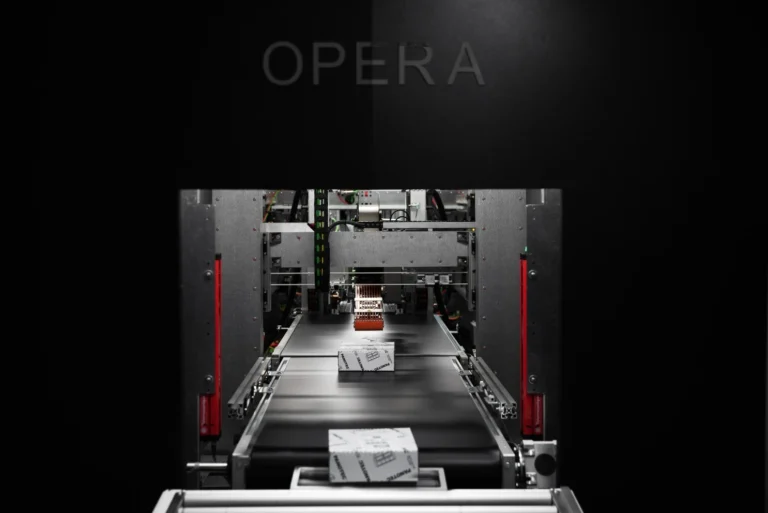
The evolution of adaptive packaging to manage high volumes, complex orders, and omnichannel supply chain demands.
The rapid growth of e-commerce, the expansion of omnichannel retail models, and the increasing complexity of global supply chains are reshaping logistics operations. Today, performance is no longer measured only by shipping speed. Companies must also manage dynamic order profiles, seasonal peaks, and rising customer expectations.
This challenge affects logistics operators, 3PL providers, fulfillment centers, and retailers alike. Order flows now include a mix of single-item shipments, multi-item orders, and highly variable packaging requirements. In this environment, packaging has become a major operational bottleneck. Traditional packaging models based on pre-formed standard boxes often lack the flexibility required for scalable e-commerce fulfillment. They also generate inefficient space utilization and increase manual handling complexity.
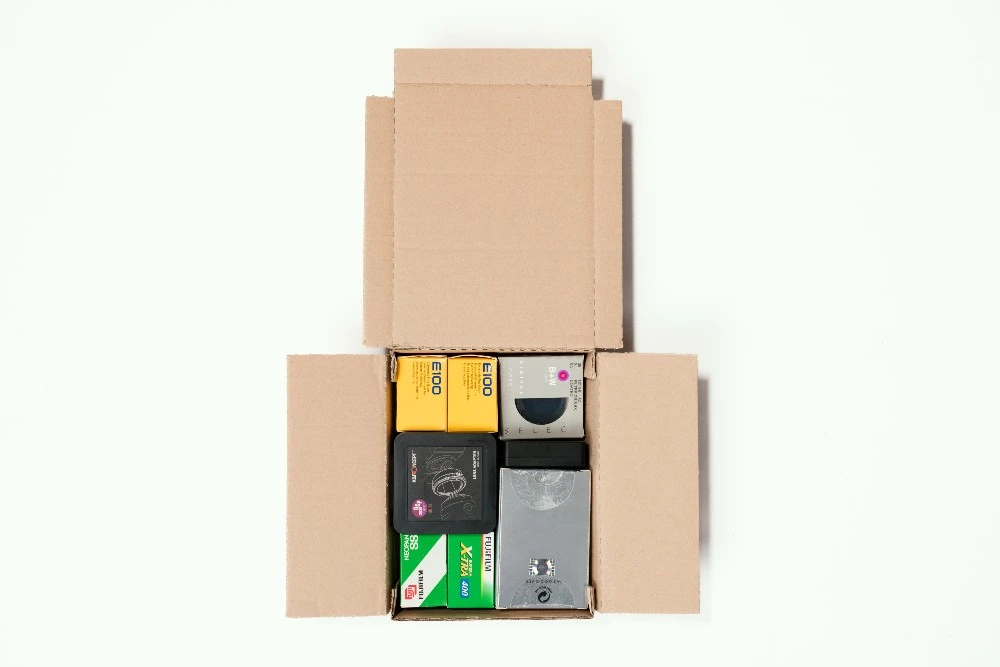
Many companies still ship unnecessary empty space. This increases dimensional weight costs, transport inefficiencies, and filler consumption. It also raises the risk of manual packaging errors during fulfillment operations. As order variability continues to grow, these inefficiencies become even more critical. Warehouse automation and logistics scalability now depend on packaging optimization.
For this reason, packaging can no longer be considered a simple end-of-line activity. It is becoming a strategic function connected to logistics automation, fulfillment optimization, and operational efficiency. The industry is moving toward adaptive packaging systems that respond dynamically to real-time demand.
Panotec’s Engineering-Driven Approach to Packaging Automation
Panotec develops packaging automation solutions designed to optimize logistics flows and improve operational performance. The company follows an engineering-driven approach focused on reducing operational complexity and increasing throughput.
The objective is clear: transform packaging from a manual activity into a strategic competitive advantage.
One example is OPERA, an integrated automated packaging system designed to produce custom-sized boxes in real time for both single-item and multi-item orders. The system supports high dimensional variability and large production volumes, reaching outputs of up to 13 boxes per minute while maintaining packaging consistency, operational accuracy, and scalability.
The shift is significant. Logistics operations are moving from standard packaging models to adaptive, right-sized packaging automation.
OPERA: Right-Sized Packaging for High-Volume Fulfillment
One of OPERA’s main advantages is its ability to generate custom-sized boxes directly around the product within seconds. The system automatically detects the actual dimensions of each shipment and produces a perfectly fitted package without relying on predefined dimensional data.
This right-sized packaging approach reduces unused space inside parcels, lowers dimensional weight costs, improves truck and pallet utilization, and minimizes the use of filler materials. In addition, the reinforced four-side box structure enhances product protection during transportation, helping reduce damage rates and product returns.
Another important advantage is the management of multi-item orders. Traditional packaging processes often struggle with unstable product combinations and inconsistent packaging configurations. OPERA creates a controlled match between products and packaging dimensions. This ensures continuity and stability throughout the fulfillment workflow.
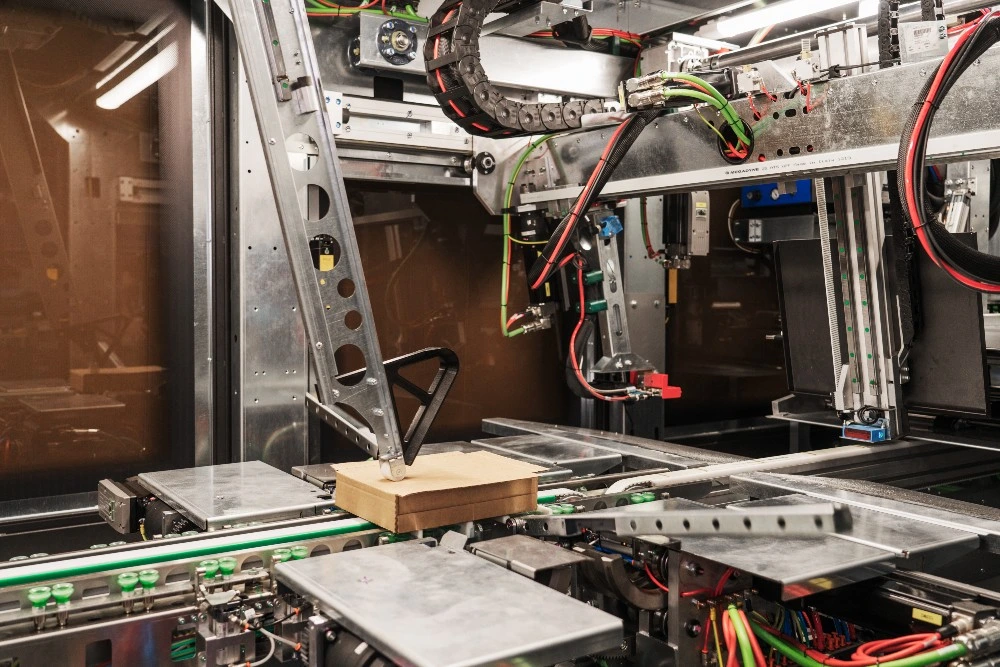
The result is higher operational reliability and improved packaging accuracy. It also reduces manual intervention during packaging operations. From an engineering perspective, the system uses a modular architecture. It integrates motion control technologies, measurement sensors, proprietary software logic, and digital interfaces connected to warehouse systems.
This architecture enables rapid line reconfiguration and scalable automation. It also supports continuous optimization of operational KPIs.Order and product data management can be configured according to operational requirements. Integration modes can also be adapted to existing enterprise systems. This improves operational continuity and end-to-end traceability. It also reduces manual errors across logistics processes.
Operational Efficiency and Scalability Benefits
Adaptive packaging automation delivers measurable operational benefits for e-commerce logistics and omnichannel fulfillment environments. Companies can increase productivity and improve peak-season management. They can also reduce organizational complexity and optimize warehouse space utilization. Transportation efficiency also improves because shipments contain less unused volume. At the same time, companies reduce packaging material consumption.
In practical terms, adaptive packaging systems provide greater operational control and higher scalability. Real-world applications confirm the impact of this approach. Companies such as OEG GmbH have reported significant increases in operational capacity after implementing Panotec solutions. Operators such as Autopartner also highlight the growing demand for packaging automation technologies in high-speed spare parts logistics.
The Future of Adaptive Packaging in E-commerce Logistics
Packaging is evolving from a traditional operational activity into a strategic component of logistics automation and supply chain optimization. As e-commerce fulfillment volumes continue to increase, companies need adaptive and connected packaging systems. These systems must respond dynamically to real-time operational demand.
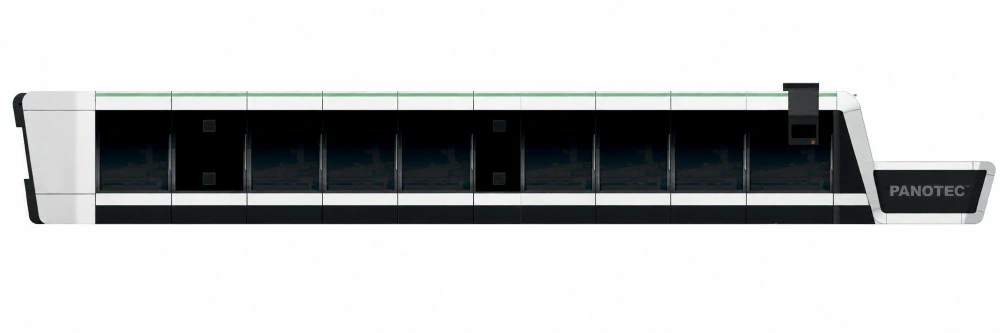
Automated packaging lines such as OPERA represent a concrete example of this evolution. They combine right-sized packaging, warehouse automation, operational scalability, and logistics efficiency in a single integrated solution. For logistics operators, retailers, and fulfillment providers, rethinking packaging is no longer optional. Companies that fail to modernize packaging processes risk slowing down their entire supply chain and limiting future scalability.