Advanced automation and tailor-made solutions for the pharmaceutical industry
Founded in 2019 as a startup specialized in the design of customized pharmaceutical plants, PBL is today one of the most dynamic Italian players in industrial automation for the life sciences sector. In just a few years, the company has grown from an embryonic structure into an organization of more than 130 in-house professionals (up to 150 including external collaborators), spread across almost four production facilities in Italy. This rapid growth reflects PBL’s ability to respond to a market increasingly focused on innovative drugs, complex processes, and highly customized solutions.
“We were born with a strong focus on customization, and this remains our distinctive hallmark,” says Filippo Begarani, PhD, Research & Innovation Manager at PBL. “The founders came from many years of experience in the sector and knew that the future of the pharmaceutical industry would require highly specific systems, capable of adapting to each individual customer’s process.”
Particulate inspection of infusion bags: automating what once seemed impossible
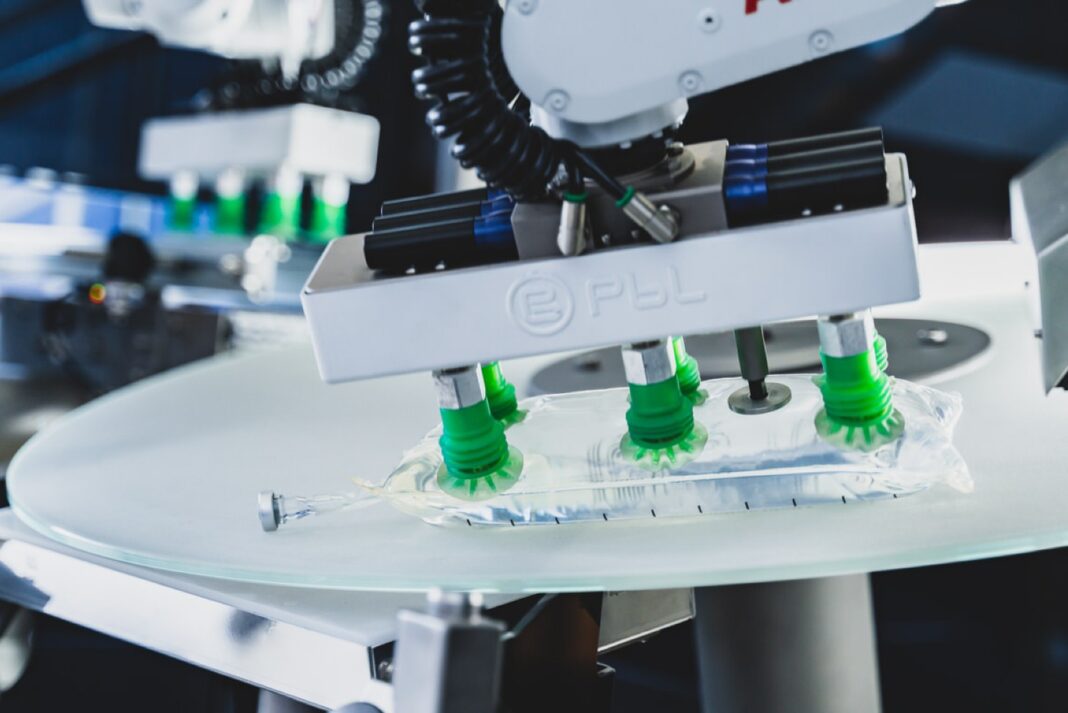
Particulate inspection of injectable products is a mandatory regulatory step, but in the case of infusion bags it has long represented one of the most difficult challenges to automate.
“With glass vials, the problem was solved years ago,” Begarani explains. “The shape is rigid and repeatable, so traditional cameras work well. Bags, on the other hand, are made of thin films that reflect light differently every time.”
For this reason, bag inspection remained for a long time a manual activity, relying on the operator’s visual judgment—a critical, repetitive task subject to variability.
PBL tackled the problem by completely changing the technological paradigm. “We realized that deterministic algorithms were not viable,” says Begarani. “The only solution was artificial intelligence.”
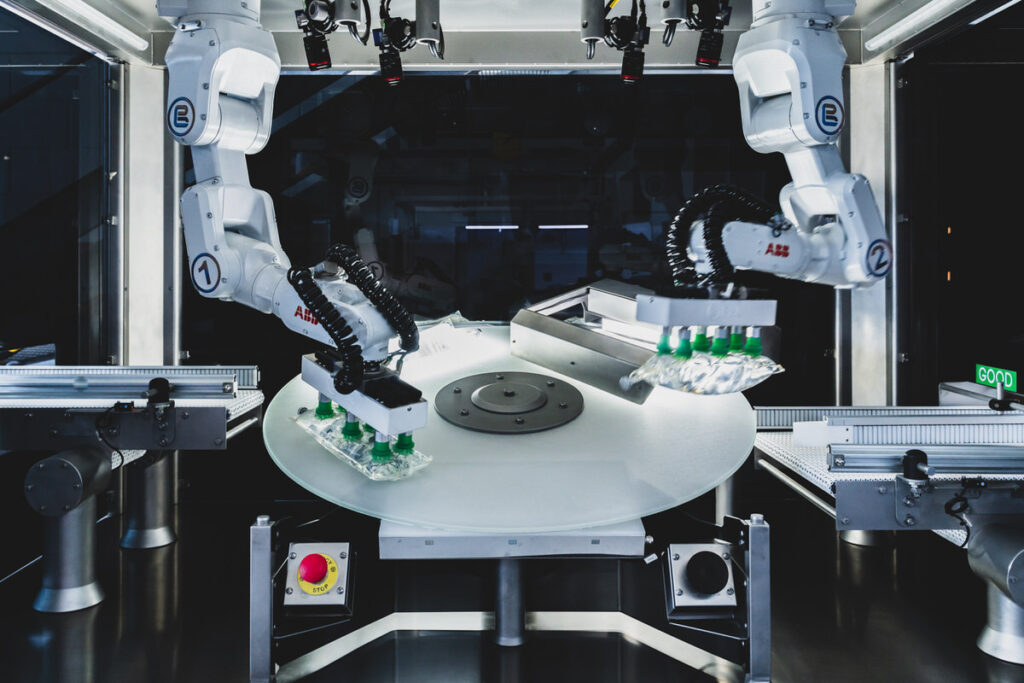
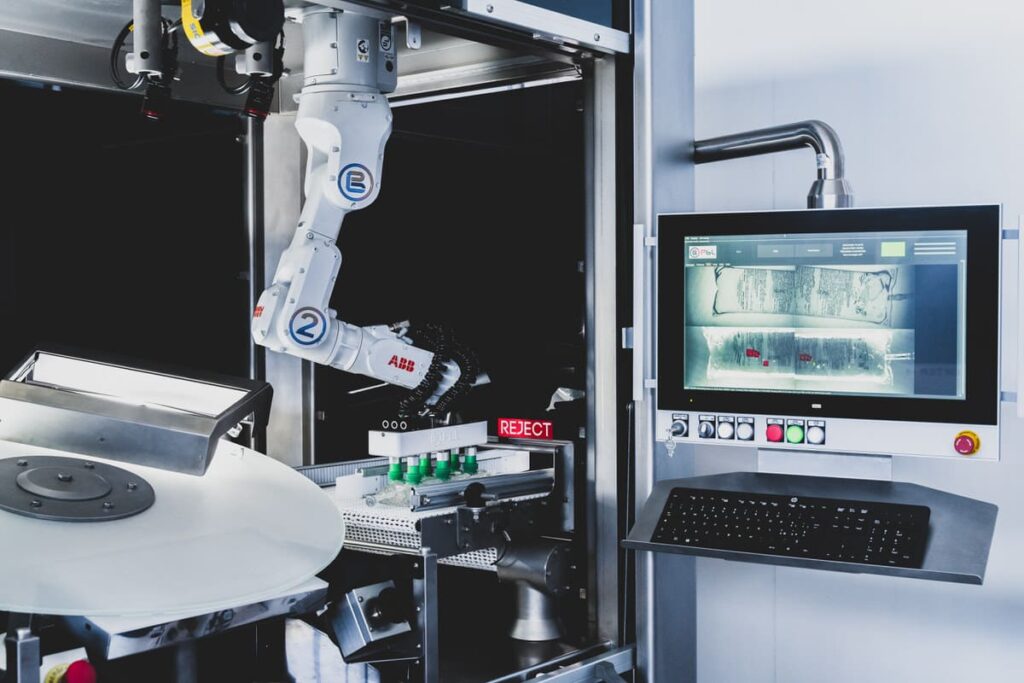
The system developed by PBL combines high-speed image acquisition, multi-angle illumination, and neural networks trained on large volumes of real data. “The algorithm learns to distinguish a real particle from a reflection or a bubble—something that fixed-rule approaches could not achieve,” he explains.
This solution, developed also through collaborations with the Polytechnic University of Turin, the Polytechnic University of Milan, and the Scuola Normale Superiore of Pisa, has made it possible to automate an inspection that until a few years ago was considered non-automatable.
Radiopharmaceuticals: safety, automation, and process repeatability
Another key area for PBL is radiopharmaceuticals, a sector that has seen significant investment in recent years, particularly for oncology applications.
“Here we are dealing with completely different environments,” Begarani explains. “There is the issue of radiation protection, but also of sterility and product quality.”
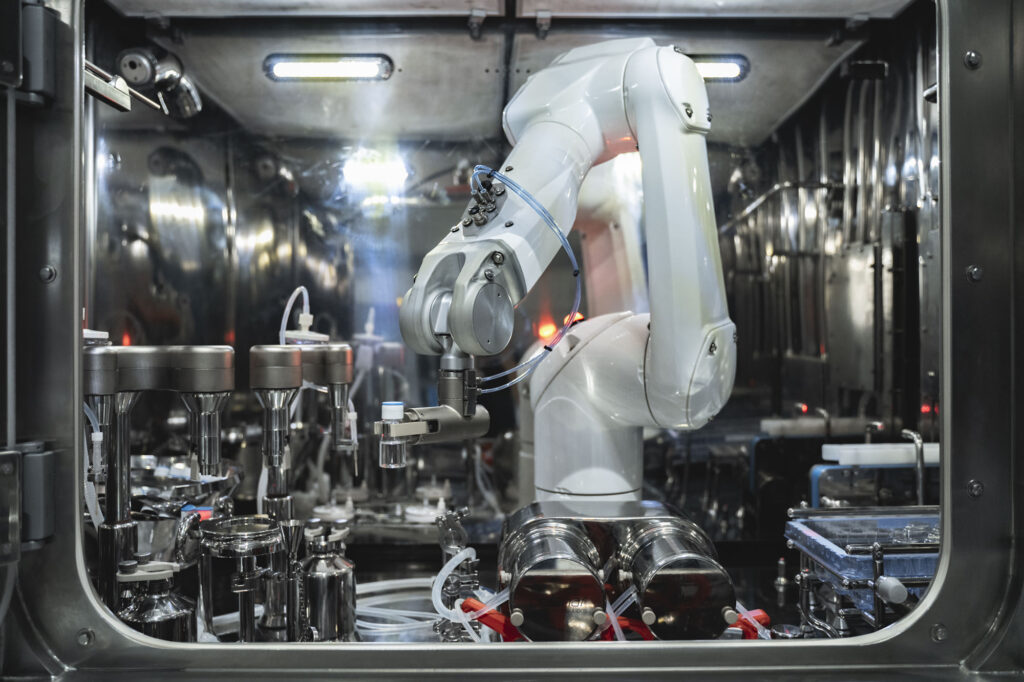
PBL designs fully enclosed, shielded, lead-lined isolators in which Grade A sterile conditions are replicated. Inside, industrial robots perform operations that were traditionally carried out manually by operators.
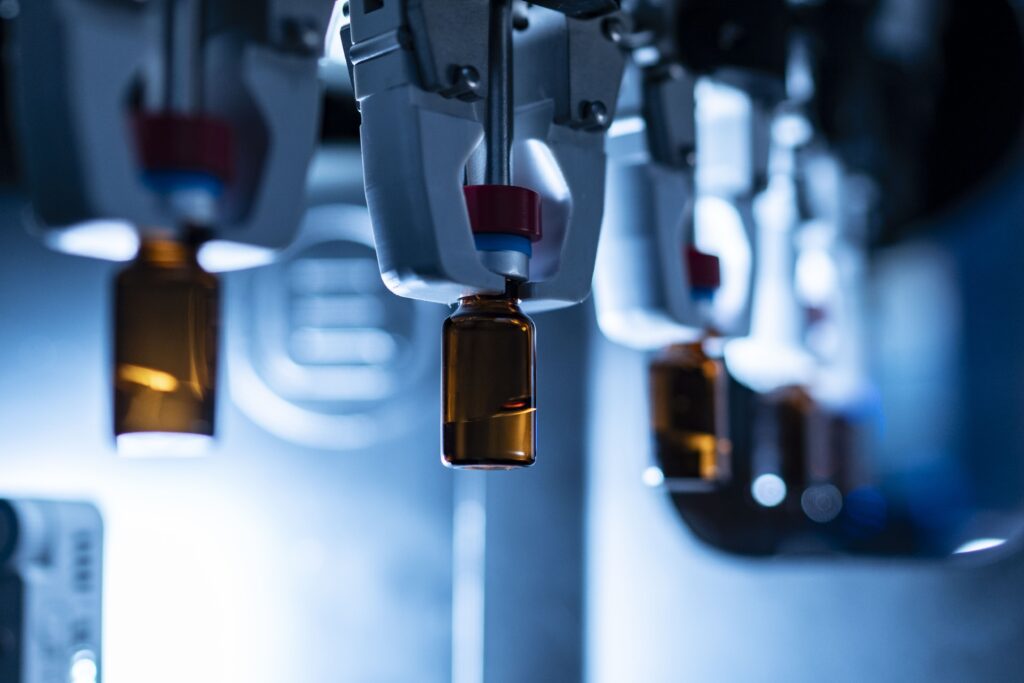
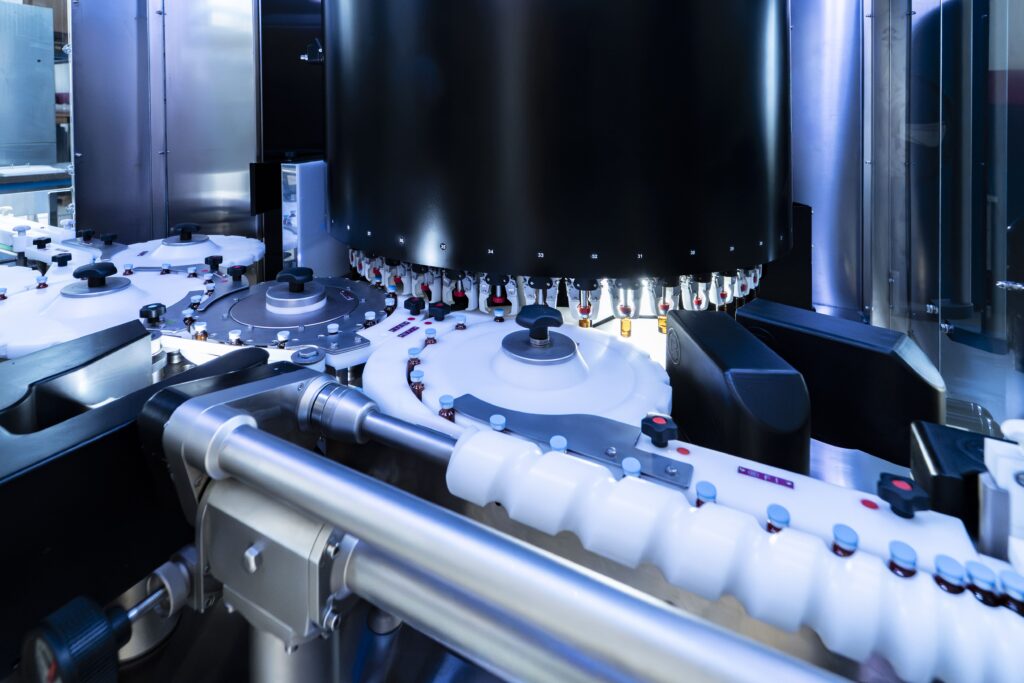
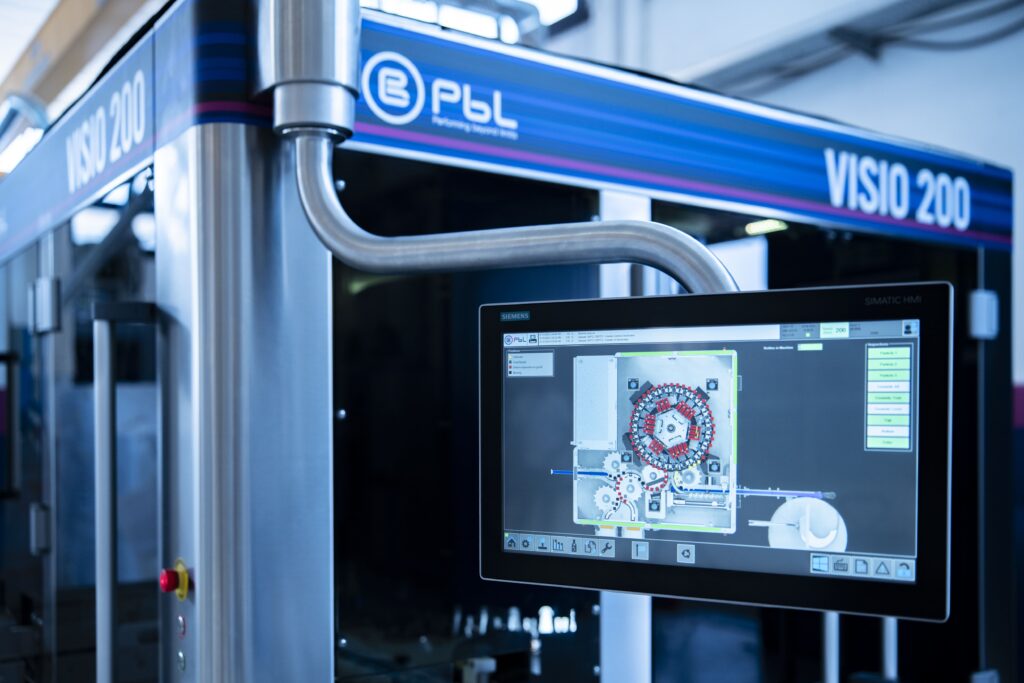
“In many facilities, work is still done with manual systems, which we consider somewhat outdated,” Begarani notes. “Robotic automation increases safety, but also makes the process more repeatable and controllable.”
Cell and gene therapies: reducing costs by changing the manufacturing model
The most advanced front on which PBL is investing is that of cell and gene therapies—highly personalized, often life-saving treatments, but characterized by extremely high production costs.
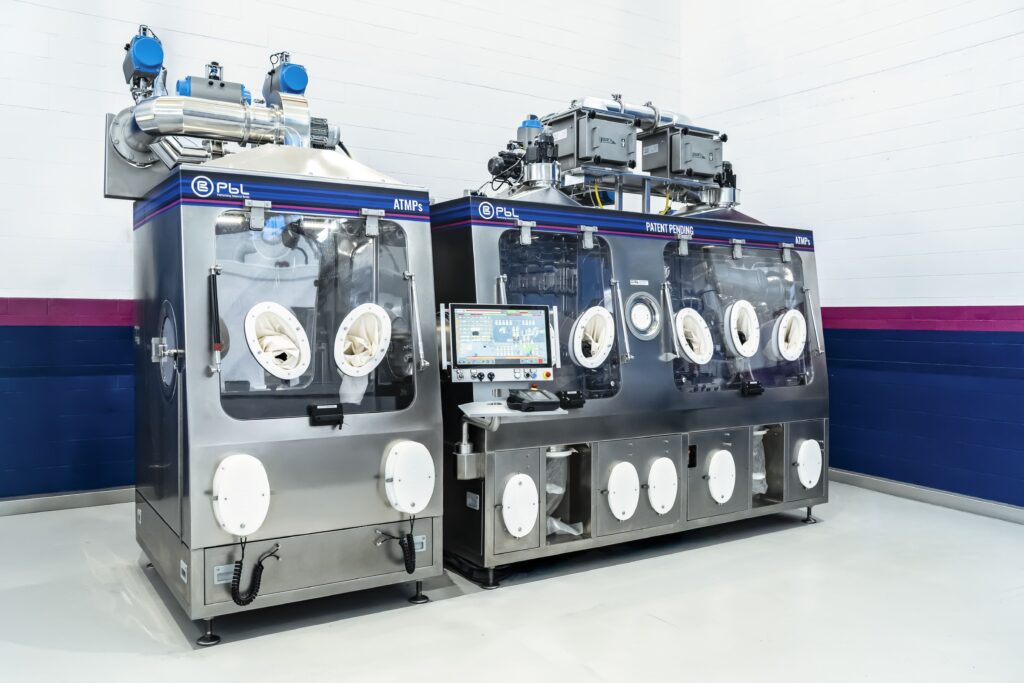
“Today, a cell therapy may require a cleanroom dedicated to a single patient for ten days,” Begarani explains. “With five, six, or seven people working continuously. It is easy to imagine the costs involved.”
In collaboration with Bambino Gesù Pediatric Hospital and as a founding member of the National Center for Gene Therapies, PBL has developed a fully automated isolator for ATMP production.
“We concentrated the entire process into a machine occupying just a few cubic meters,” he says. “The smaller the cleanroom, the lower the costs for operation, energy, and maintenance.”
The system is fully programmable and enables the management of multiple therapies in parallel, while keeping processes separated over time. “Most importantly, we do not impose a standard process,” Begarani emphasizes. “It is the machine that adapts to the protocols developed by researchers.”
Multidisciplinary expertise and regulatory integration by design
This approach is made possible by a team with strongly cross-disciplinary skills. “In our R&D group, there are not only engineers,” Begarani explains. “We have biologists, pharmaceutical chemists, physicists—including nuclear physicists—and several PhD researchers.”
Another central element is the integration of regulatory requirements from the very early stages of design. “When you start from a blank sheet, it is essential to design with GMP, Annex 1, and international requirements in mind,” he states. “Otherwise, you risk ending up with a machine that is technically sound but difficult to qualify.”
A co-design process with the customer
The relationship with the customer is continuous throughout the entire development cycle. “Functional specifications often do not exist or are incomplete,” Begarani explains. “In many cases, we write them together with the customer, and this is a crucial phase.”
From 3D design to factory acceptance testing, through installation and after-sales support, the customer is directly involved. “The machine is truly designed four-handed,” he concludes.
Automation as a lever to make innovation sustainable
Looking to the future, the main challenge for PBL is anticipating the evolution of the sector. “We try to understand where drugs will be in ten years’ time,” Begarani reflects. “If cell and gene therapies become increasingly widespread, we must be ready with sustainable industrial solutions.”
From particulate inspection to ATMPs, PBL’s approach demonstrates how automation—when tailor-made and integrated with scientific and regulatory expertise—can become a key factor in making the therapies of the future accessible.